
This post may contain affiliate links, including Temu affiliate links. If you make a purchase through one of these links, I may earn a small commission at no extra cost to you.
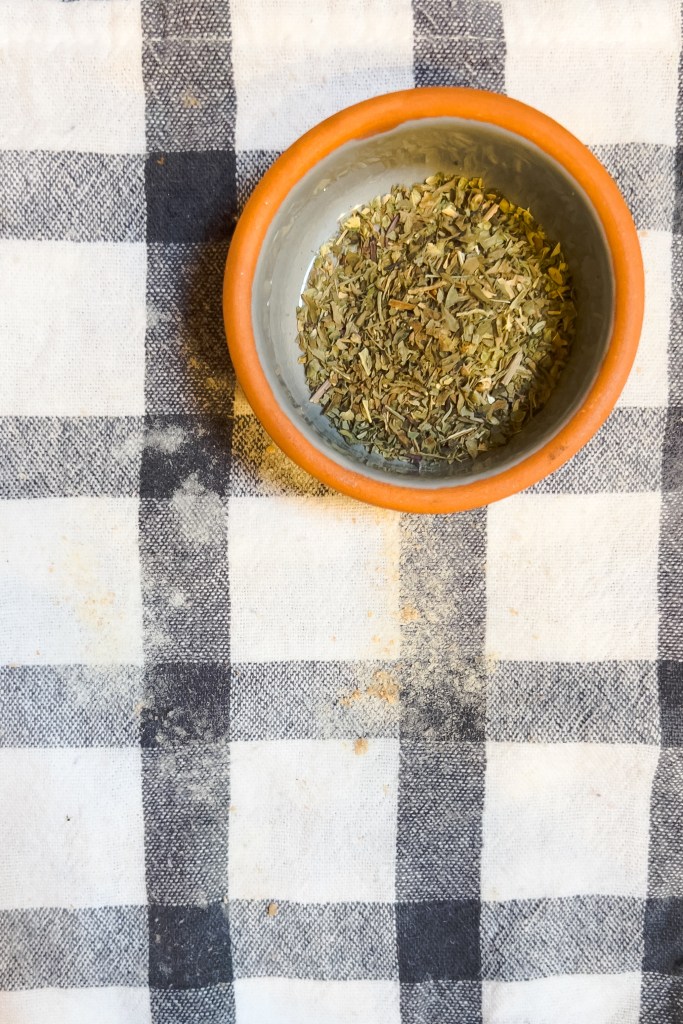
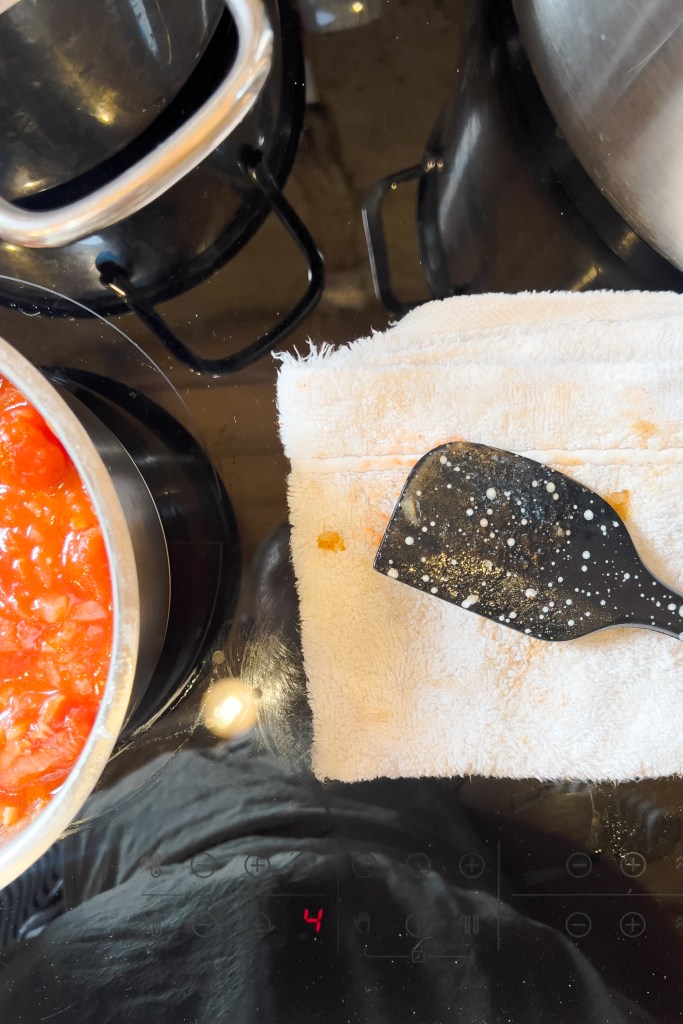
I use my kitchen towels ruthlessly, to clean up all sorts of things – tomato sauce on the stove, spilt milk on the counter, oily salad dressing on the outside of a mixing jar. All the messes that I used to clean with paper towels, I now clean with my kitchen towels.
They do get messy, greasy, and smelly. And it might be compelling to grab a paper towel instead and then throw it away, without having to deal with it. Especially as I also use my kitchen towels for cleaner jobs – like covering bowls with fermenting sourdough.
However, choosing reusable items instead of disposable ones is so much easier on the budget, and on our planet.
I never buy paper towels anymore. I rely fully on what I have – a nice set of cotton kitchen towels. Because I know I can get them clean again after any kind of mess – in a hands-off and no-fuss washing process. This is one of my steps towards frugality, eco-friendly living, and self-reliance.
In this post I share how I wash my kitchen towels to keep them clean, fresh, and ready to be reused month after month, year after year.
Why I use kitchen towels instead of paper towels
Let’s admit – paper towels are easy.
They always come clean from the roll, so they are hygienic and pleasant to use. No need to worry about getting them clean again – one paper towel (seemingly) costs almost nothing, and it’s so easy to just toss it into the bin.
But thinking a bit further, it’s not that easy.
Good quality paper towels come with a significant price tag that takes a part of your monthly budget. It takes resources both to produce them, and then to dispose of them and their packaging.
I used to live in a beachfront apartment in the suburbs of Batumi for a year and a half, and after every heavy storm the beach would be covered in waste – mostly plastic. It was horrendous and painful to look at.
Sure, washing reusable kitchen towels requires water, detergent, and electricity. But it’s still much more eco-friendly than producing and buying one-time use stuff.
Also, although with a low probability, there might be a shortage of some sort that makes paper towels disappear from store shelves for some time. What would you do then?
And giving a part of your income to manufacturers and stores on a regular basis leaves you with less money in your own pocket.
Not good sides of such a convenience item, right?
On the other side, being more self-reliant and needing less gives a peace of mind. Knowing that you can keep your kitchen clean without spending lots of money every month. Knowing that if there is a shortage of money or supply, you will manage to keep your household nice and clean.
That’s where good old reusable kitchen towels come in handy.
My kitchen towels serve for many things:
- as cheesecloths for straining yoghurt or ricotta;
- to wipe down messes on the counter or the stove;
- to put utensils on while cooking;
- to cover homemade pastries or bread;
- as bowl covers;
- to lay on the counter while cooking, to make subsequent cleanup easier (just tossing the towel in the laundry instead of cleaning the counter);
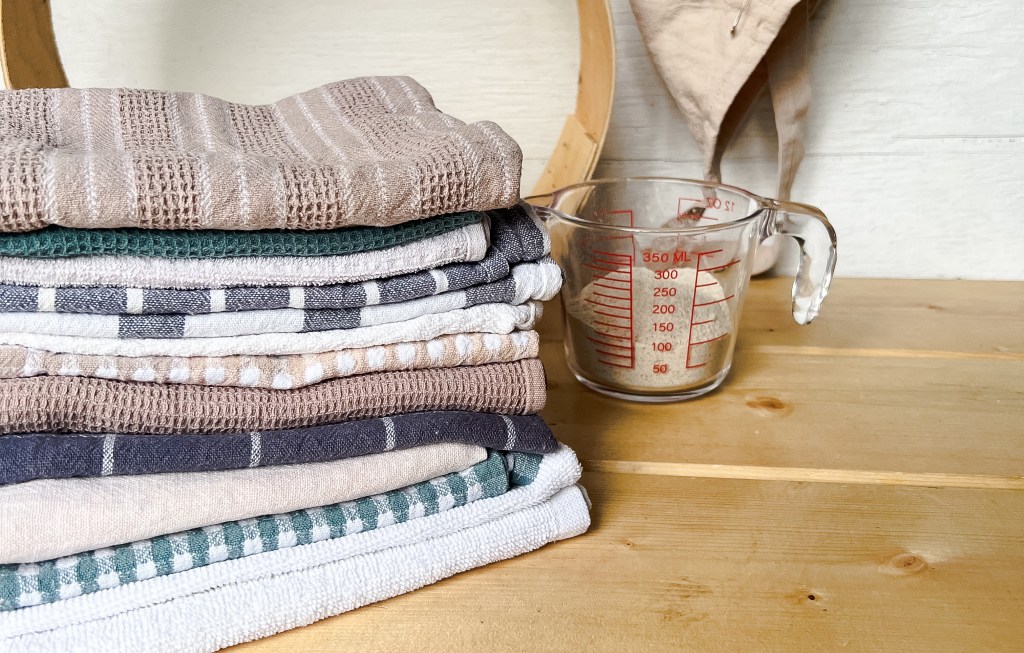
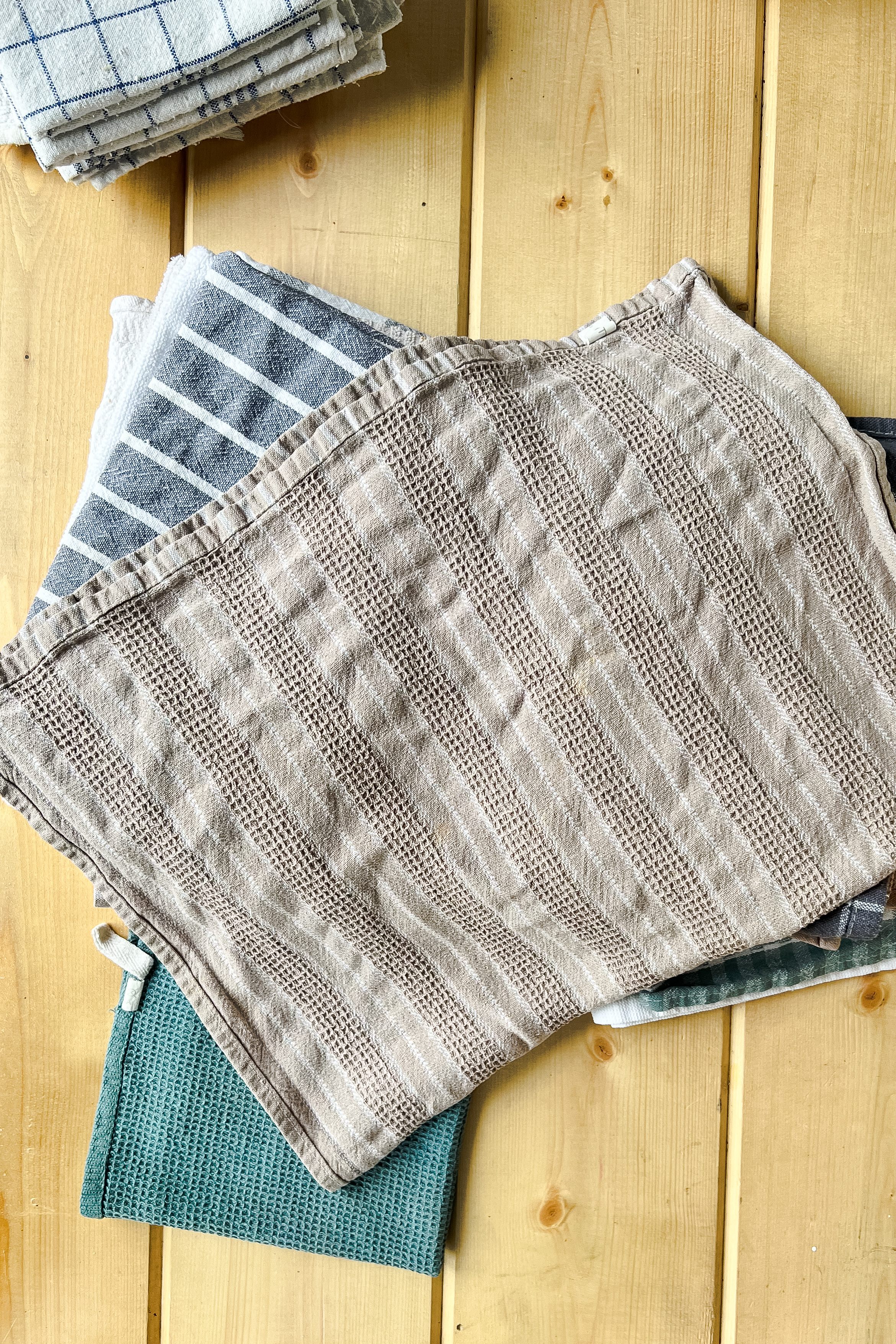
I have about 30 kitchen towels in my rotation, and go through about 10 towels every week.
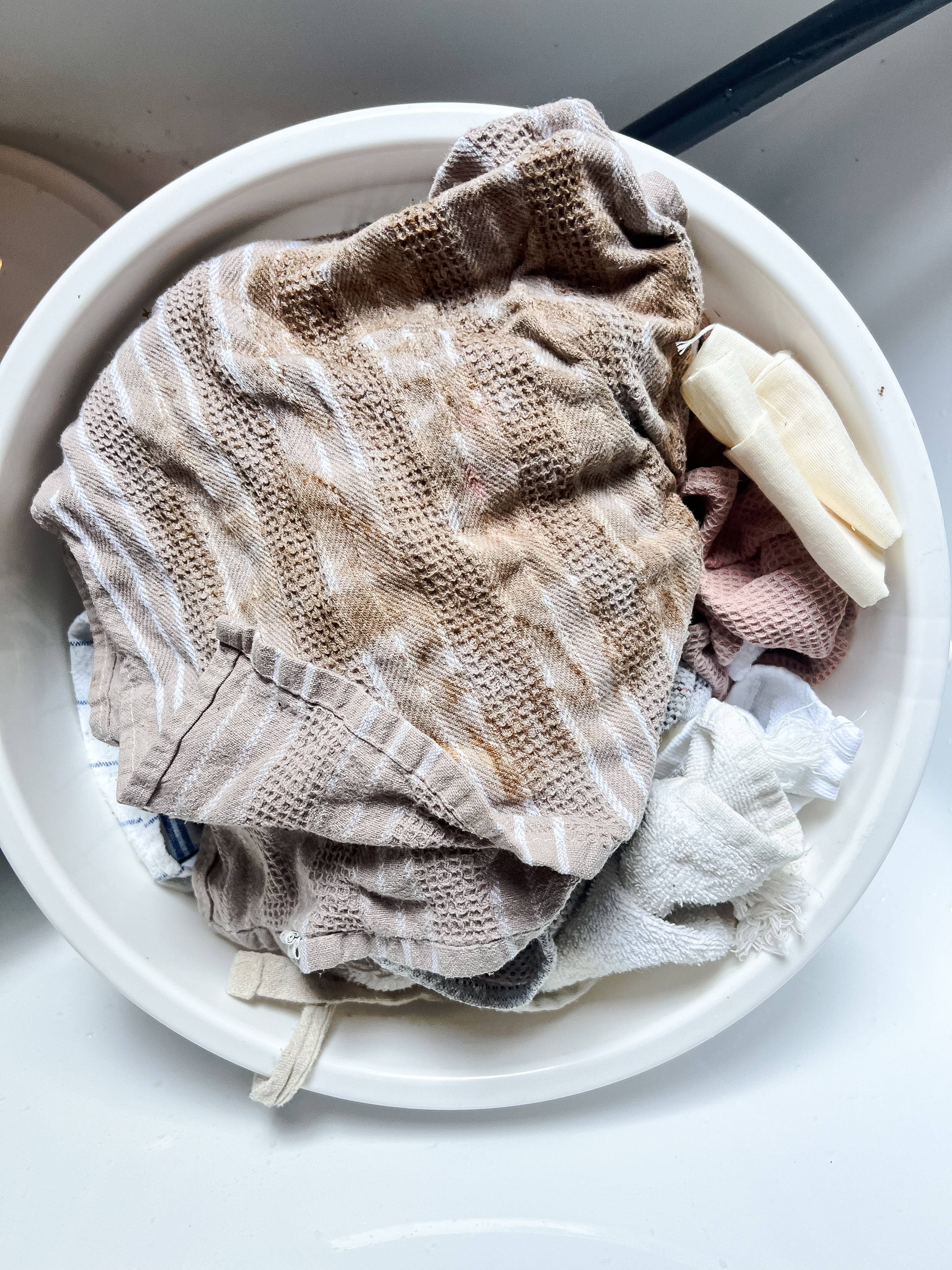
I have a separate bucket in the bathroom where I collect used kitchen towels, and then after a couple of weeks I make a big load of laundry.
Together with kitchen towels I also wash dishcloths and nylon fish nets that we use instead of dishwashing sponges (using fishing nets in the household is a local thing in Batumi that my man has shared with me).
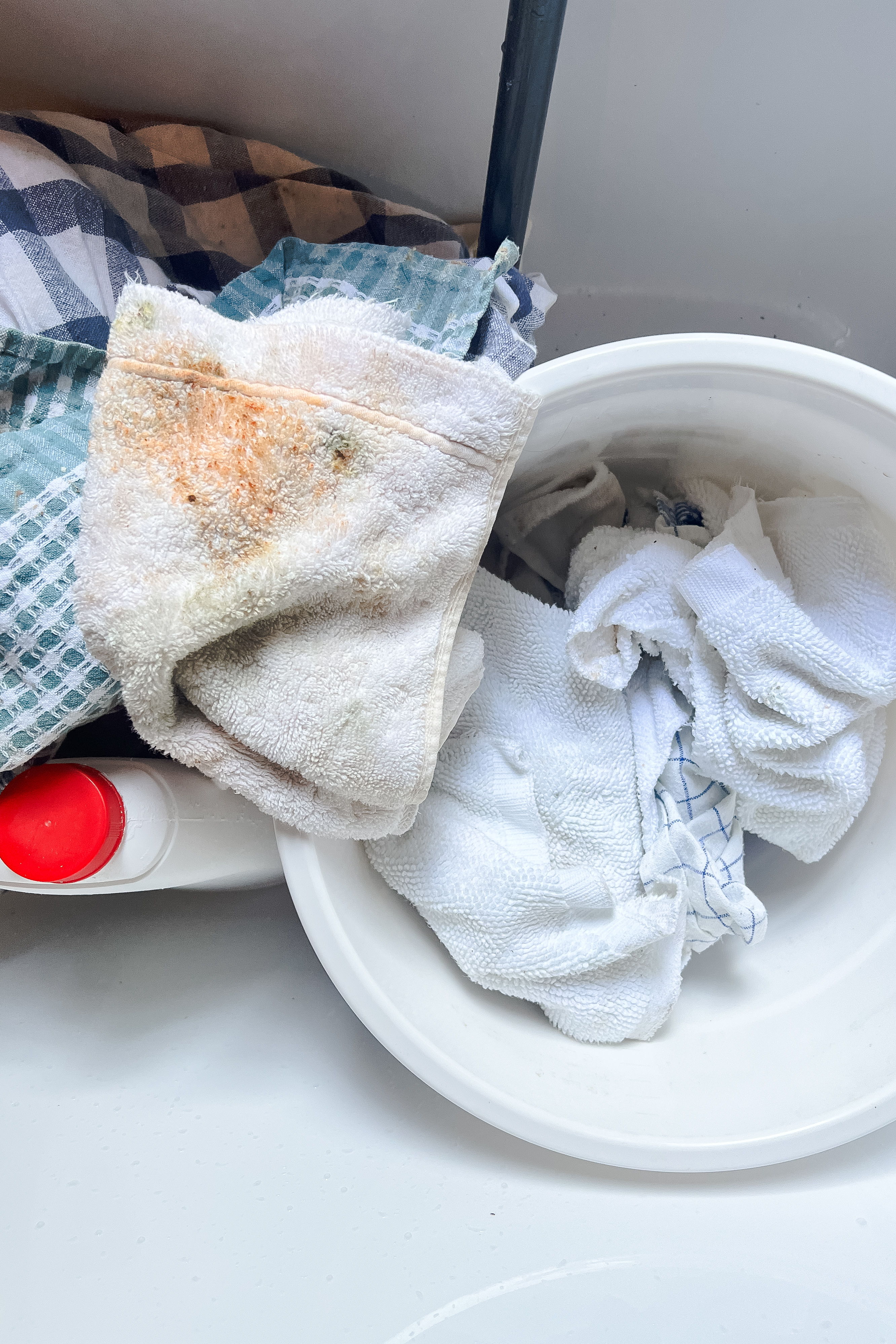
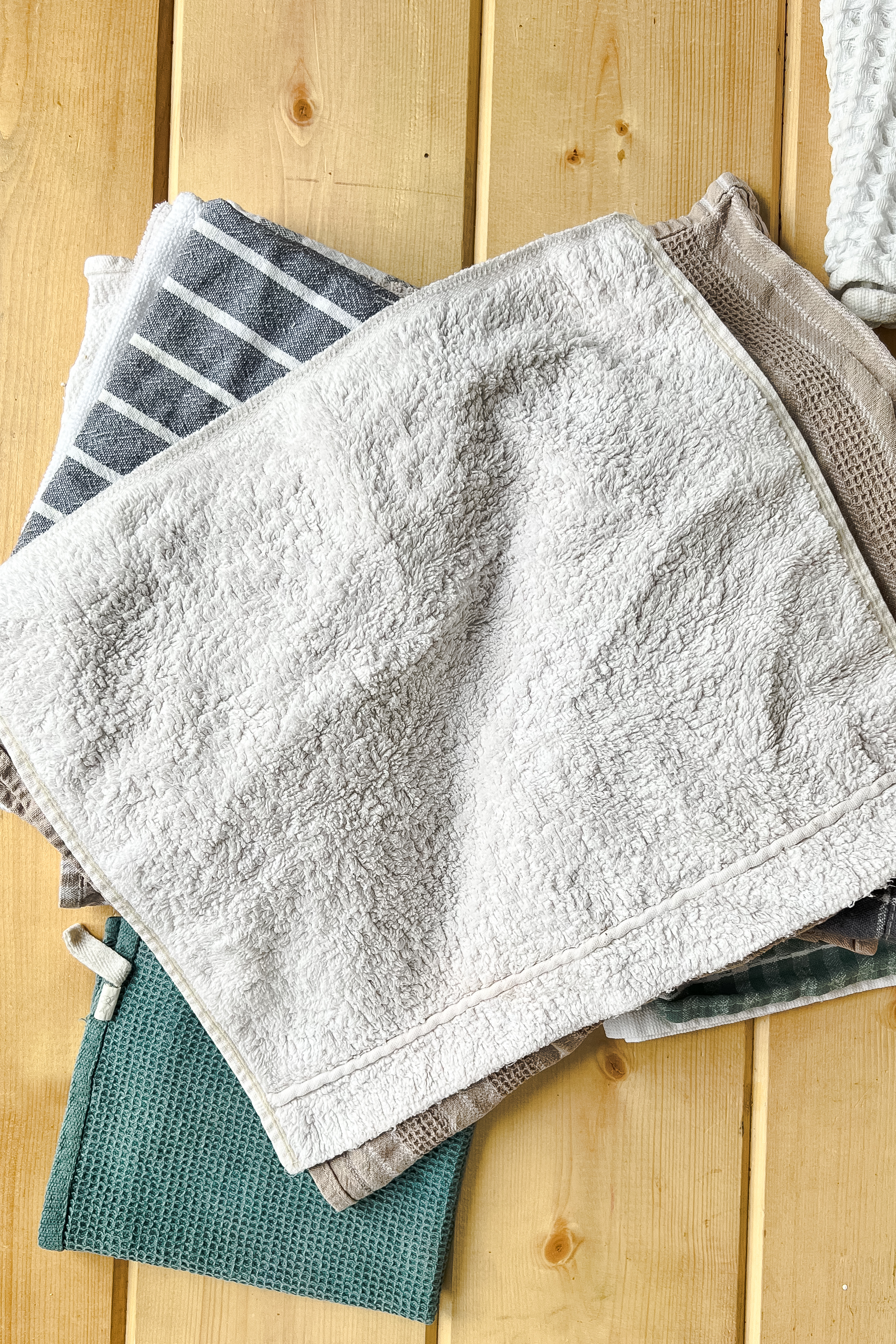
After a proper wash greasy, nasty, and sometimes smelly kitchen towels become clean, fresh, and safe to use again.
Thoughts on using soda and vinegar together…
Before we dive into the topic, I do need to address this. And I might be adding this into all my cleaning posts – so much bad advice I see over the internet. This misconception needs to be busted.
Please-please-please do not mix washing soda or baking soda with something acidic like vinegar, lemon juice, or citric acid to clean something. It’s just not effective, and is a waste of your time and products (and money you spent on buying them).
Honestly, I don’t understand why there is so much bad cleaning advice over the Internet that takes some basic chemistry to understand – it won’t work.
Soda is alkaline and vinegar, lemon juice, and citric acid are acidic. Together they neutralise each other, yielding a salt solution (that does nothing for cleaning) and CO2 bubbles.
While CO2 bubbles might mechanically lift off some particles, it’s not helpful in most cleaning tasks. They do look impressive on TikTok though, so they might help influencers get more views. But they don’t help us, ordinary people, clean our homes.
Separately, alkaline and acidic substsances can be powerful cleaning agents. So you can use soda and vinegar one after another.
For example, first use alkaline washing soda for washing, then vinegar as a rinse aid to neutralise the remaining soda and help freshen up whatever you are cleaning.
But, please don’t trust cleaning advice from people who tell you that mixing something alkaline with something acidic creates a good DIY cleaning product.
What you need to wash kitchen towels
- Washing soda: As it is alkaline, it helps lift off grease. It also helps soften hard water by binding soluble calcium and magnesium salts, helping detergent do its job better.
- Surfactant / detergent: Such as natural soap or another eco-friendly detergent. Feel free to use any of your choice – one that you know is effective and safe to use. I use my homemade washing liquid.
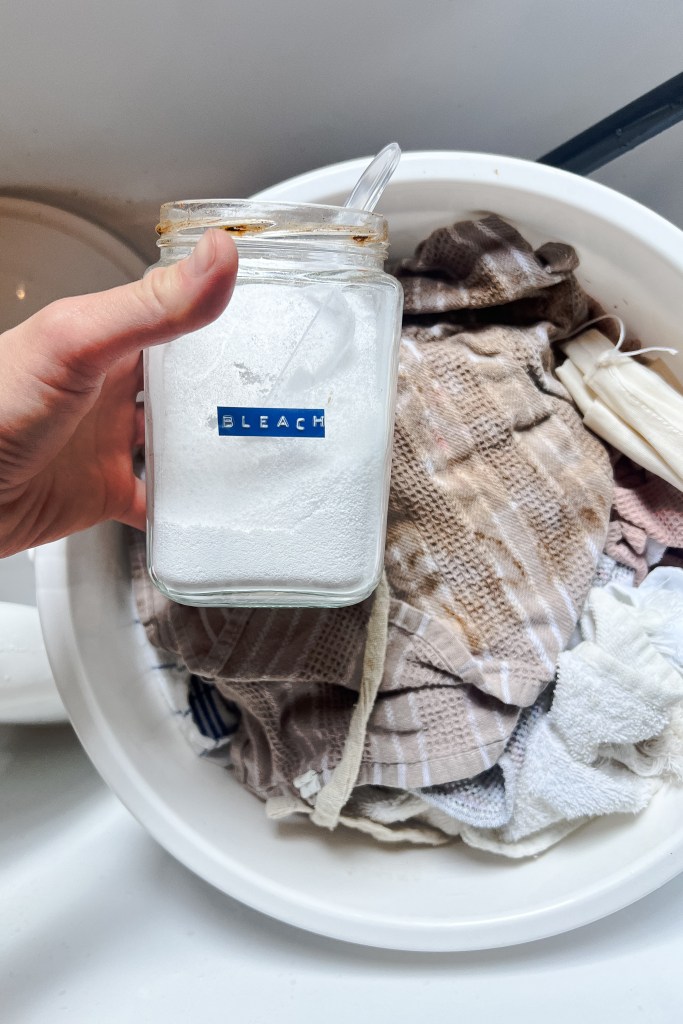
- Oxygen bleach (sodium percarbonate): Helps break down and lift off stains, as well as sanitise.
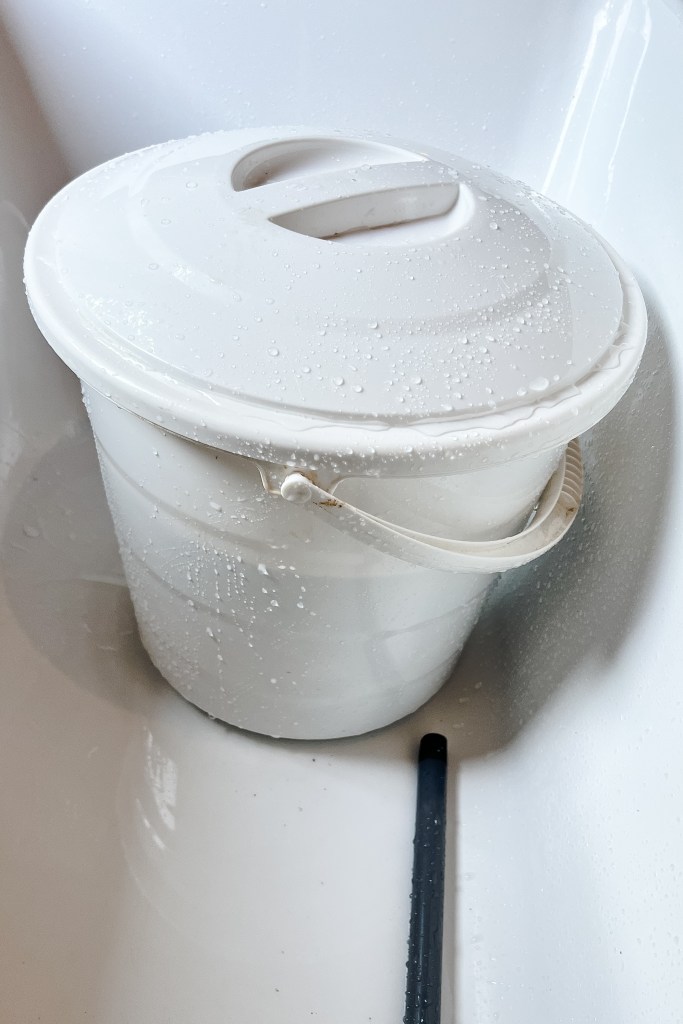
- ~20 l (5 gallon) bucket: To serve as a hamper and to soak the towels before washing.
- Washing machine: To automate the process and make it easier on your hands.
- Broom handle: To stir towels during the soaking process.
Tips for a better washing routine
- Do not mix kitchen textiles with other towels, bed linen, or clothes – not in the hamper, not during washing. They serve different purposes in different environments, so it’s best to separate them to keep everything clean and hygienic.
- Always pre-soak kitchen towels for at least a couple of hours (better a couple of days) before putting them into the washing machine.
- They tend to have all sorts of stuff on them, and pre-soaking helps soften up the stains and gives the cleaning agents a good dwell time.
- It also makes it easier on your washing machine if you get rid of the grimy pre-soak water into the drain directly, and not through your precious washing machine. So your washing machine will serve you longer and require less maintenance (hence less stress and less money to spend).
- Wash cheesecloths immediately after use. Do not let them sit long, or toss them into the kitchen towels hamper. It takes just a day or so for them to get really smelly. And the smell is quite pungent and difficult to get out. Don’t ask me how I know that 🙂
- Never toss wet towels especially with food on it into the hamper. They will get mouldy, and mould stains are very difficult to get rid of, even with this washing process. Always make sure the towels are dry before putting them into the hamper.
- Choose cotton towels over synthetic ones. Polyester towels are nice and white once you buy them, but then after just one hot cycle wash they start looking grey-ish and dingy.
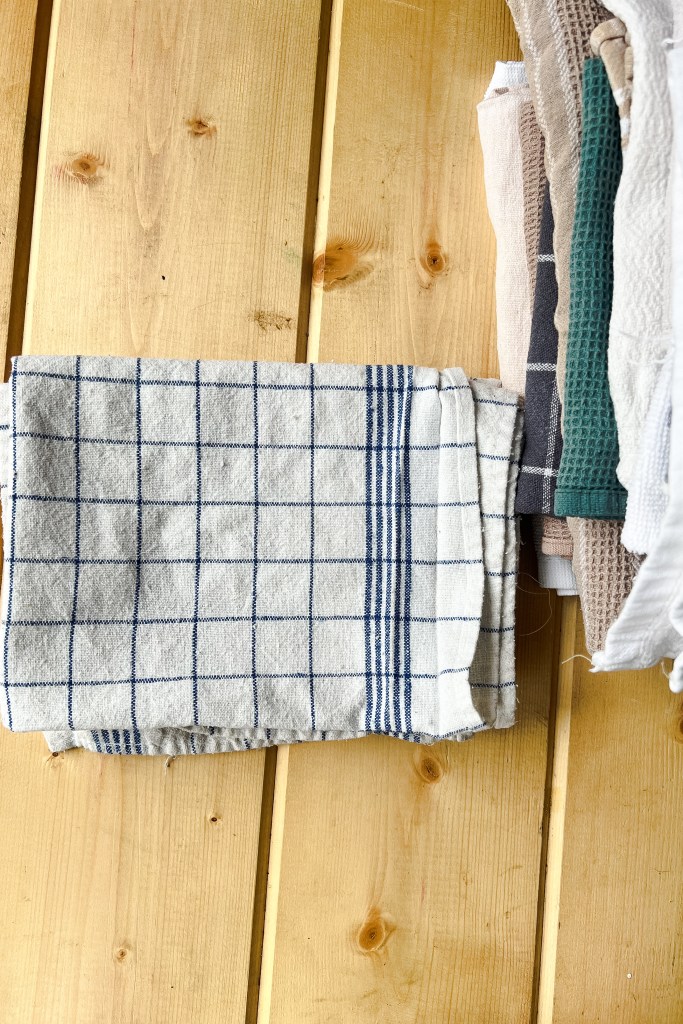
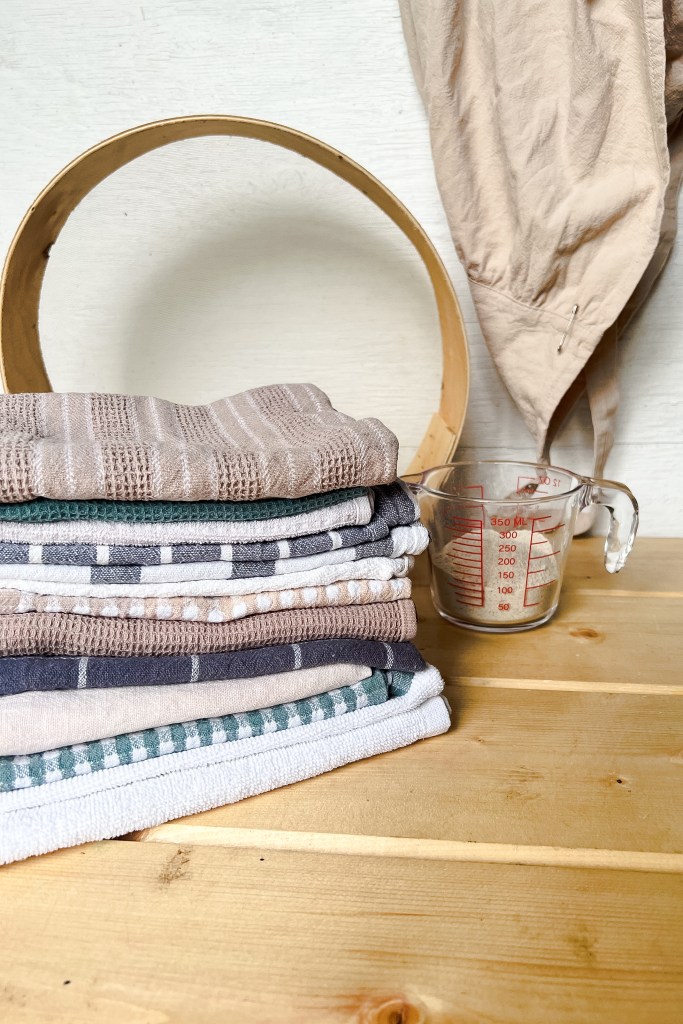
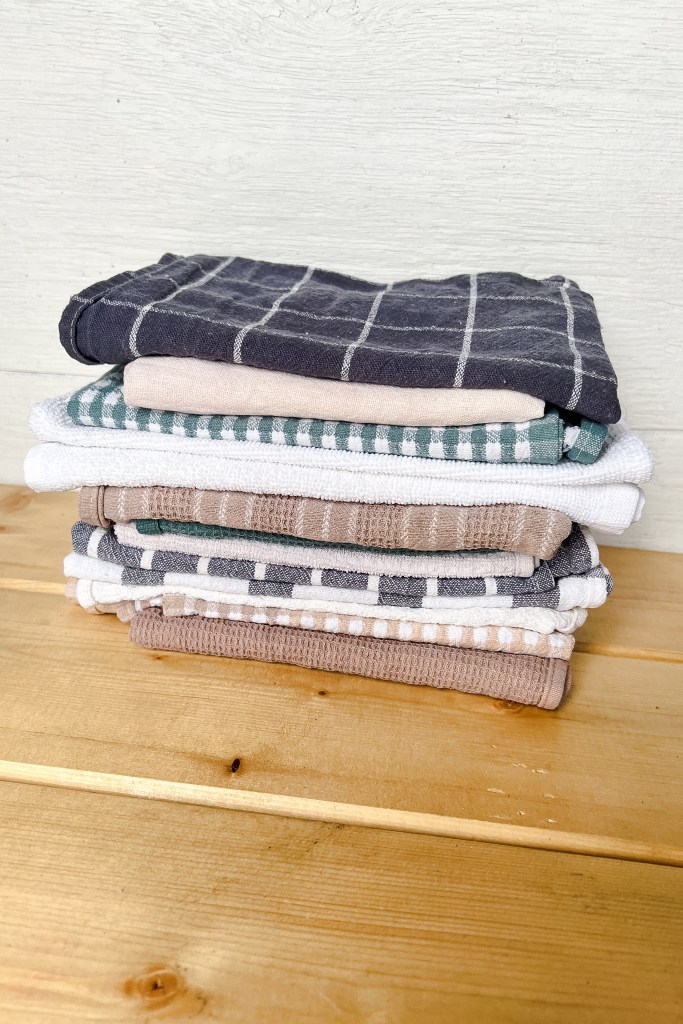
Here are my favourite cotton kitchen towels from Temu:
How to clean dirty and greasy kitchen towels
Keep a 20 l (5 gallon) bucket in your bathroom or laundry room. Keep it somewhere out of sight, as it might look messy.
Whenever you have a kitchen towel that needs to be washed, hang it on the edge of the bucket to dry. Once it’s dry, toss it inside the bucket.
Once you have just a few clean towels left in your stash, it’s time to start the washing process.
Add your washing detergent (I use my own DIY washing detergent), 1/3 cup of washing soda, and 1/3 cup of oxygen bleach into the bucket.
Fill the bucket (with all the towels in it) with warm, or better – hot water.
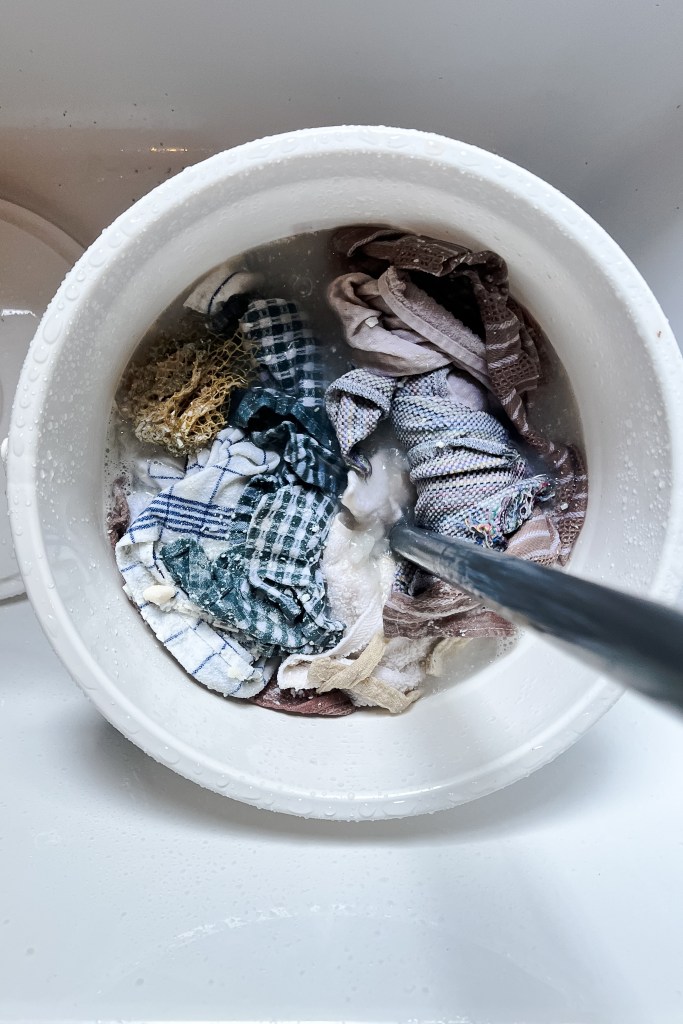
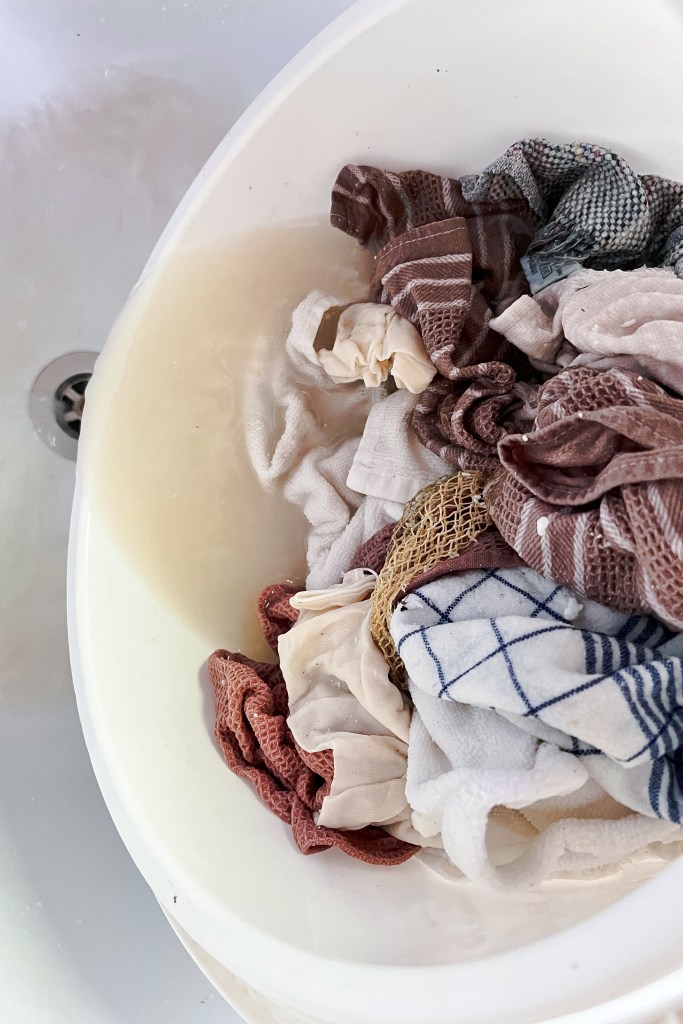
Stir everything with a broom handle for the detergent, soda, and bleach to dissolve and mix evenly.
Optional: Close the bucket with a lid.
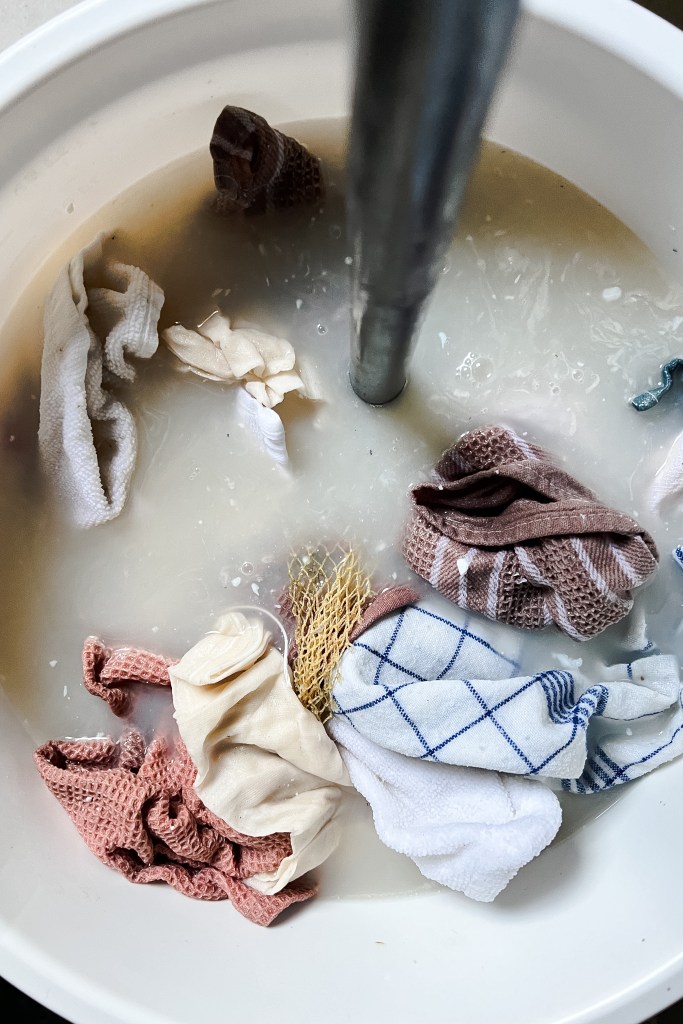
Set the bucket away for at least 24 hours. 2-3 days is even better.
Stir everything in the bucket at least once a day, or a couple times per day to imitate a washing machine effect. The water will look nasty. But it’s good, as the detergent is working on softening up the stains and the grease.
As the towels are soaking, feel free to toss new dirty towels that you’ve been using in your kitchen.
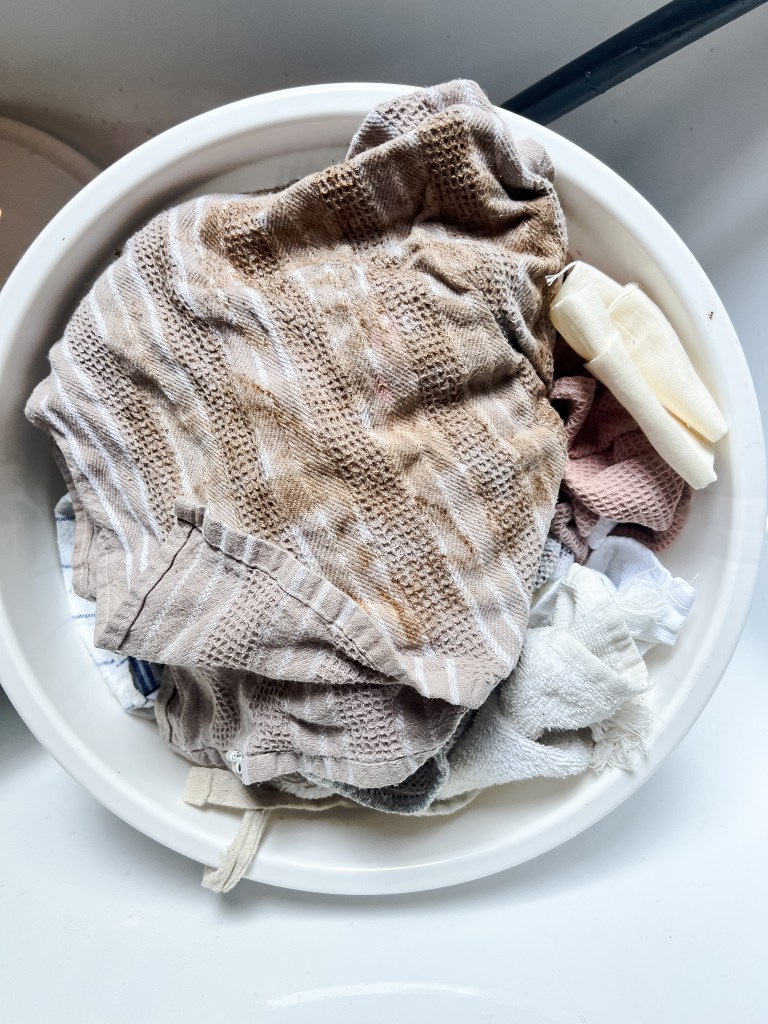
Once you’re ready to transfer everything into the washing machine, pour out the dirty water into the drain. I do this in the bathtub.
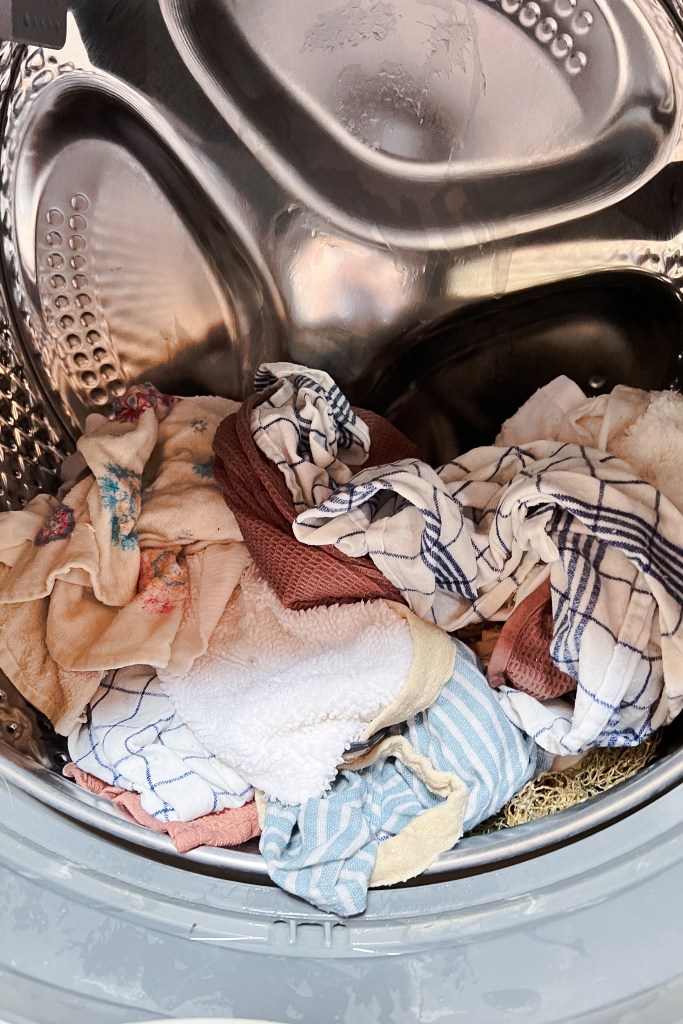
Load the towels into the washing machine.
Set a rinse and spin cycle with spinning on maximum speed. This will help get the dirty pre-soaking water out as much as possible.
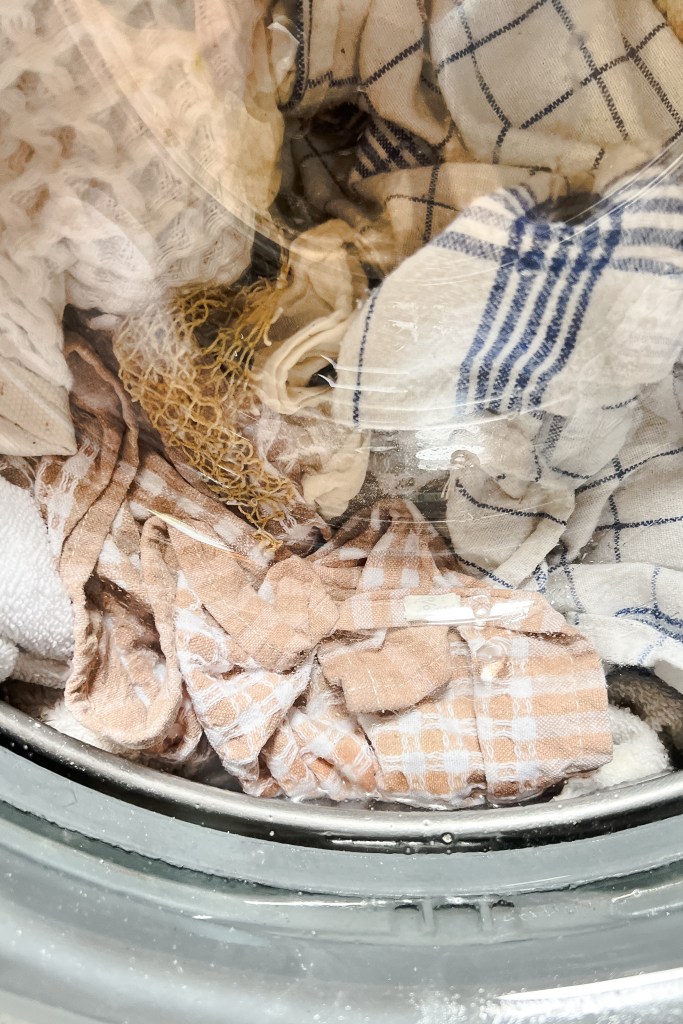
Once the rinse and spin cycle is off, select the following washing settings: pre-washing cycle and an additional rinse cycle (if your machine does have such a setting). Set the temperature to the maximum possible value (not less than 60°C, for me it’s 90°C).
Add your washing detergent and oxygen bleach to both pre-wash and main detergent compartments.
Optional: add distilled white vinegar to the rinse compartment – it will neutralise the remaining alkaline detergent during the rinse cycle and help deodorise and freshen up the towels.
Once the washing has finished, hang the towels to dry.
Drying them in direct sunlight is an extra bonus step, as the UV rays can kill viruses and bacteria. Some people even say that sun helps remove stains (I don’t have any proof of this yet).
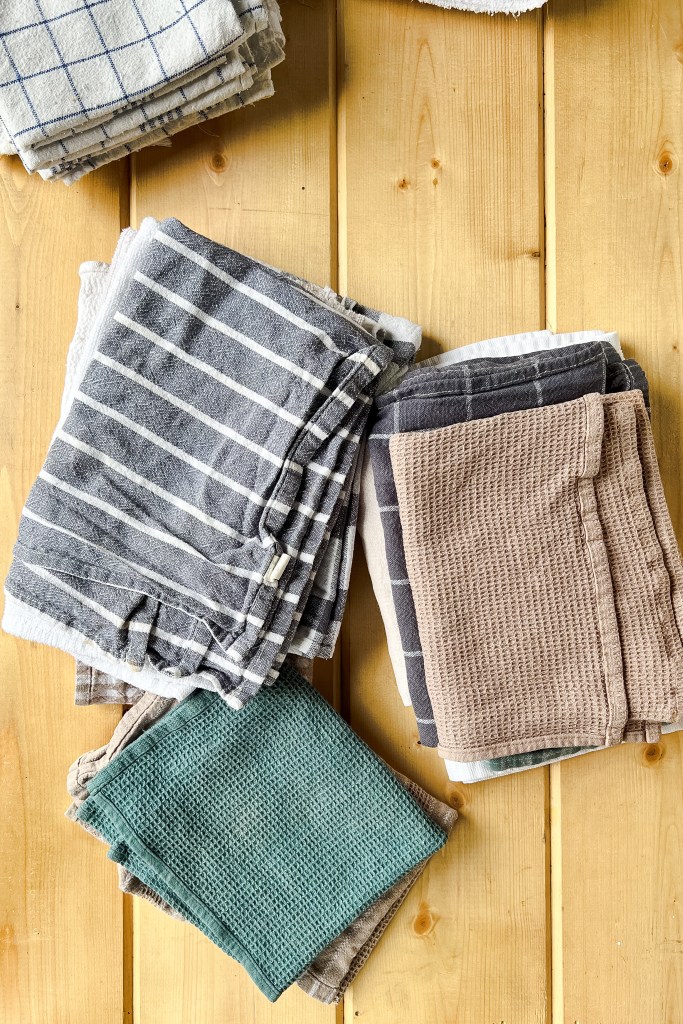
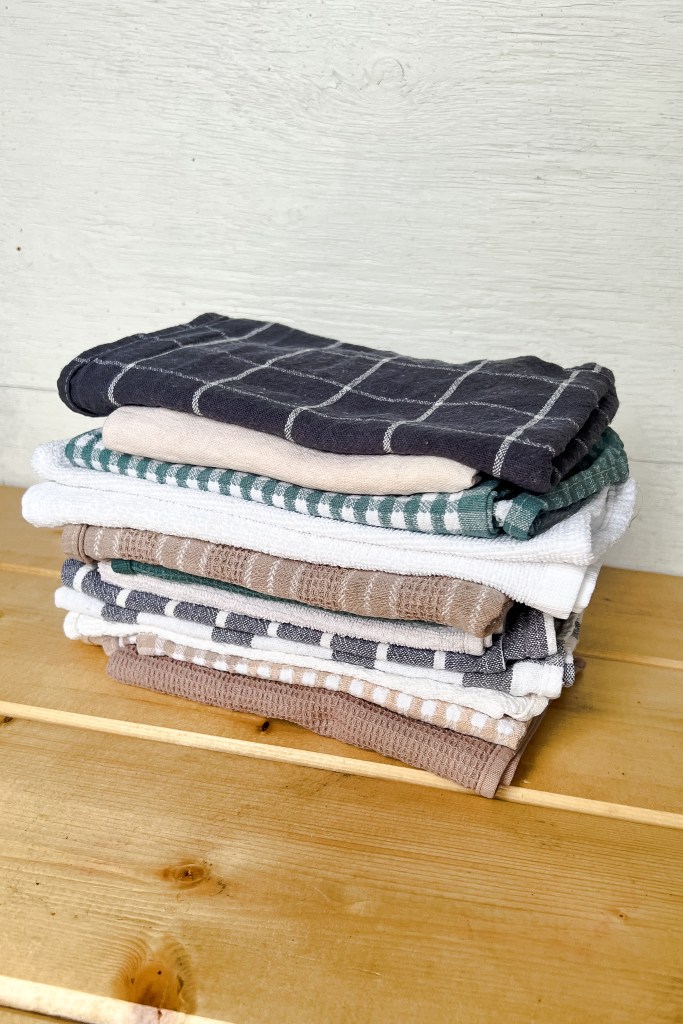
Once the towels are dry, fold them and keep in your rotation.
Sometimes they don’t come out perfectly clean, but within a couple of washes stubborn stains do go away. And even though with residual stains sometimes, your kitchen towels will be fresh and hygienic to be used again and again.



Knowing how to get the most use of what you own is a great skill for frugal, sustainable, and resourceful living.
With this easy and effective washing routine, you can use your kitchen towels for years before disposing, without sacrificing on hygiene or joy of cooking.
 Sunset Hush Home
Leave a comment