
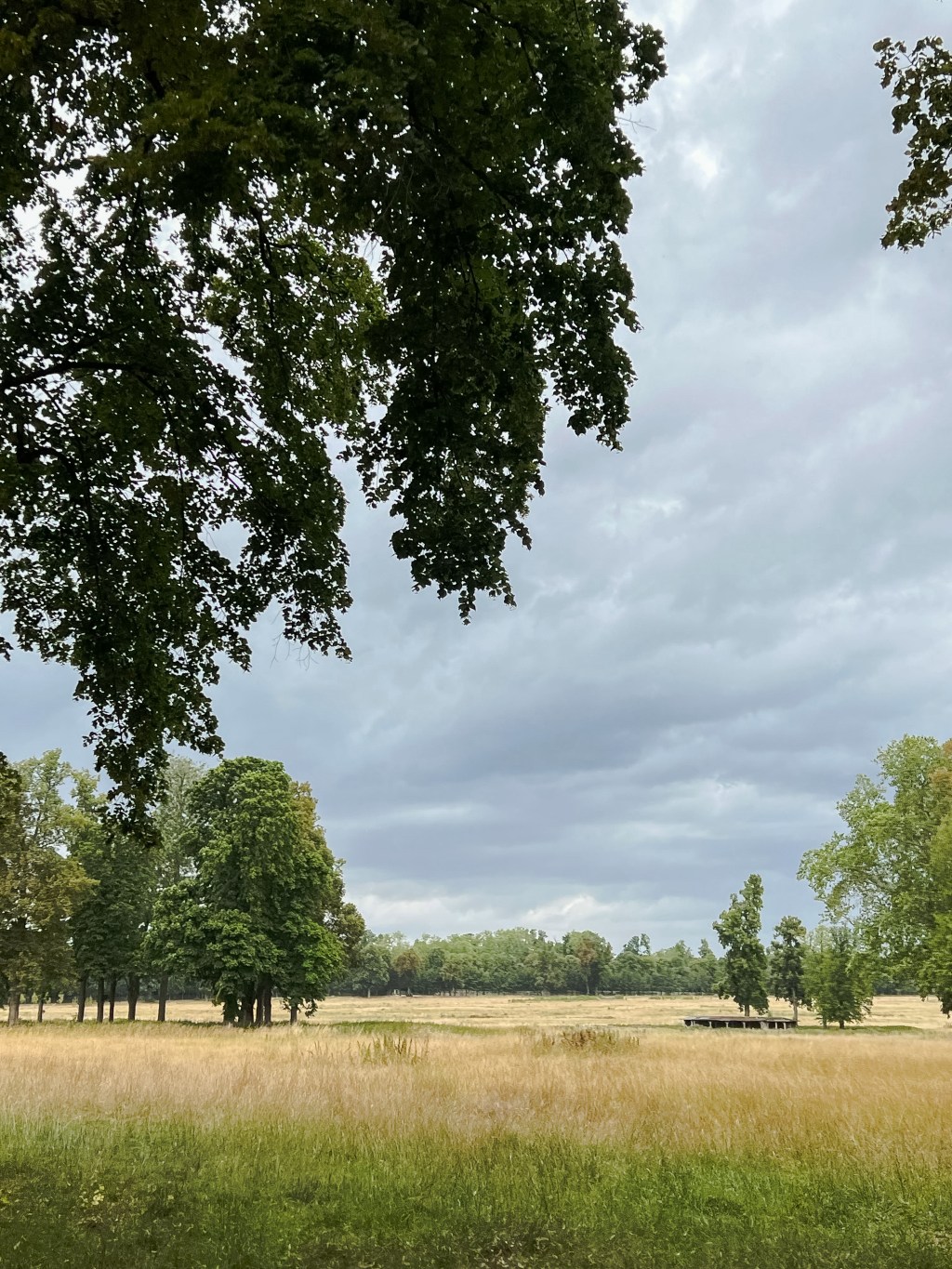
I grew up in a suburban house with a kitchen garden and backyard chickens. We never had enough money. My parents worked full-time jobs during the day only to make ends meet, and were spending all evenings un the garden during summers.
And I dreaded such a future for myself.
I would think to myself: when I grow up, I will live in a city apartment, get all my food from a supermarket and never step my feet into garden dirt.
Little did I know that by late 20s I would crave land, chickens, and a garden.
You might have been hooked by Paris in the title, so how does this tie to a girl from a lower middle-class Eastern European family?
How I Ended Up in Paris
Due to unfortunate big societal and geopolitical changes early 2022, I left my home country and became what is called a digital nomad.
I would travel and live in different places around Europe, changing apartments and cities every couple of months.
I had been obsessed about Paris since I was 7. For a girl growing up in a lower middle class family in dull and grey post-Soviet country, Paris seemed like a shining diamond, that would open the doors to a beautiful life where all my dreams would come true.
I did have two very short weekend trips there – in 2015 and in 2022, but they only made me crave more.
After the latter, I decide
And being a digital nomad, I did have an opportunity to stay there for a couple of months.
Then, I thought, I would find a way to stay there forever. Because I really wanted to.
I planned my stay there from May until July 2023. I booked an Airbnb and started practicing my French every evening after work – I had 5 months to get it from pre-intermediate to a proper conversational level.
I watched documentaries about Paris, about famous painters who lived there. I would listen to Clair de Lune and imagine life in Paris just like that – mellow, calm, almost as if that city was a sanctuary.
It had been the wildest of my dreams and the thought of it gave be a rush of excitement.
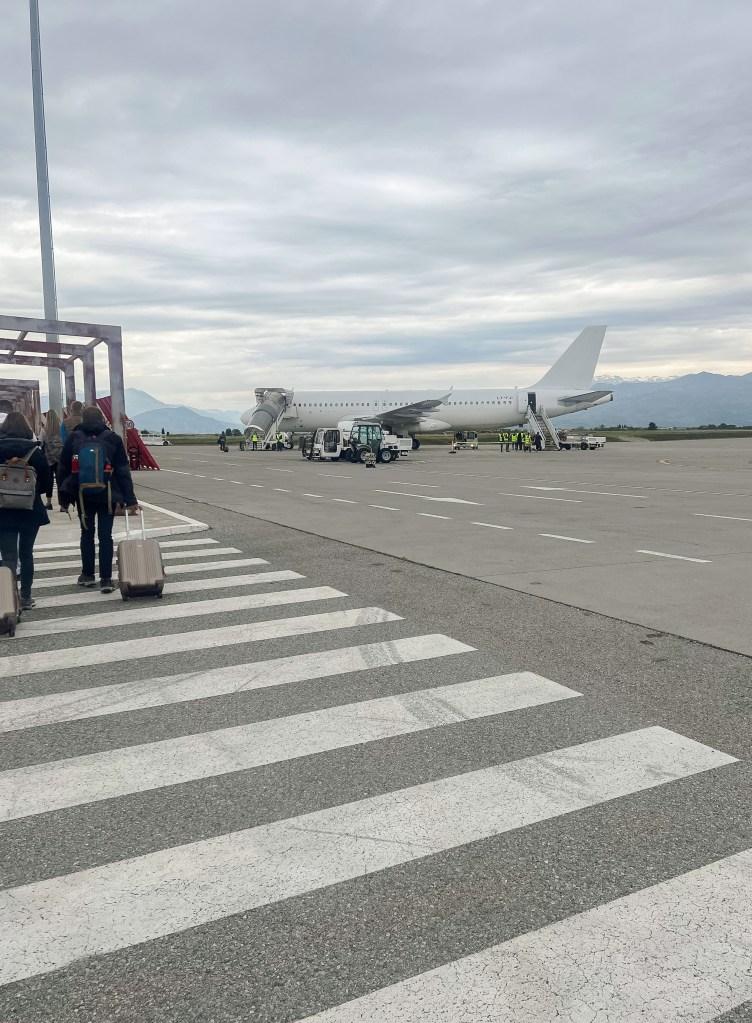
First impressions
Then the time came. I finally made it.
I had so many plans – so many places to visit, so many museums, concerts, theatre shows, restaurants, and patisseries.
On the 4th day or so it hit me. I didn’t like being there. And the thought itself was embarrassing.
I didn’t find any joy. I was alone. I hated the smell of cigarettes everywhere. I couldn’t find a quiet place to read. The food was good but not extraordinary.
I was trying to catch a good date on Tinder with a nice Frenchman, only ending up with new disappointments.
The Paris that I lived in had nothing to do with the Clair de Lune vibes.
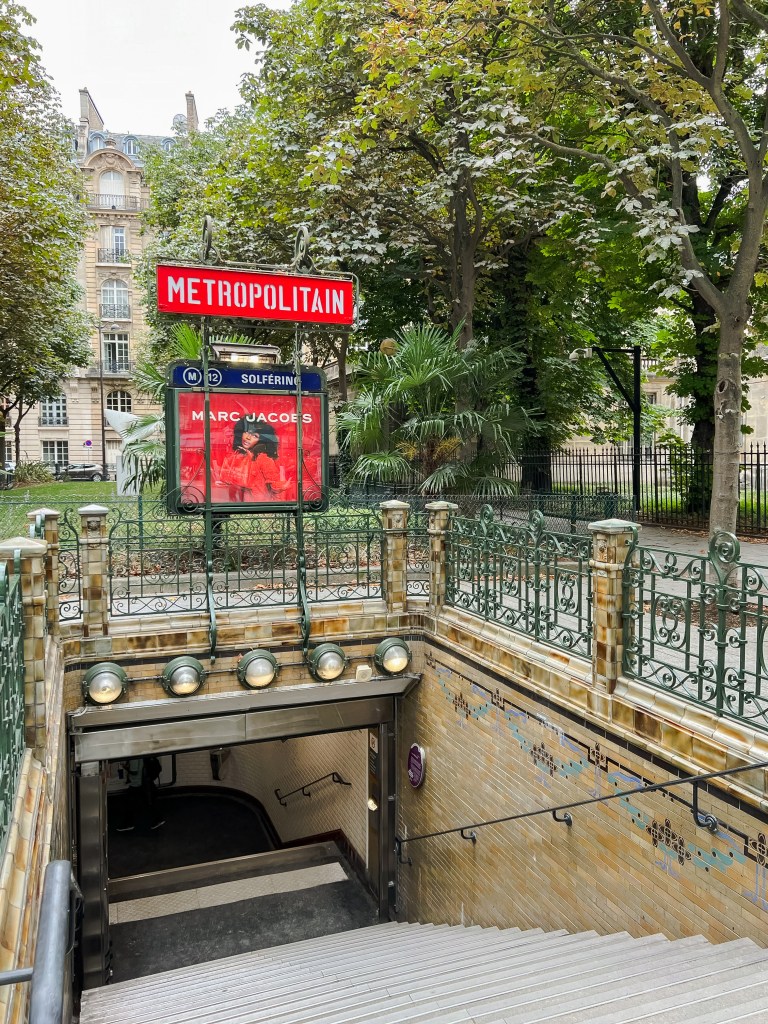
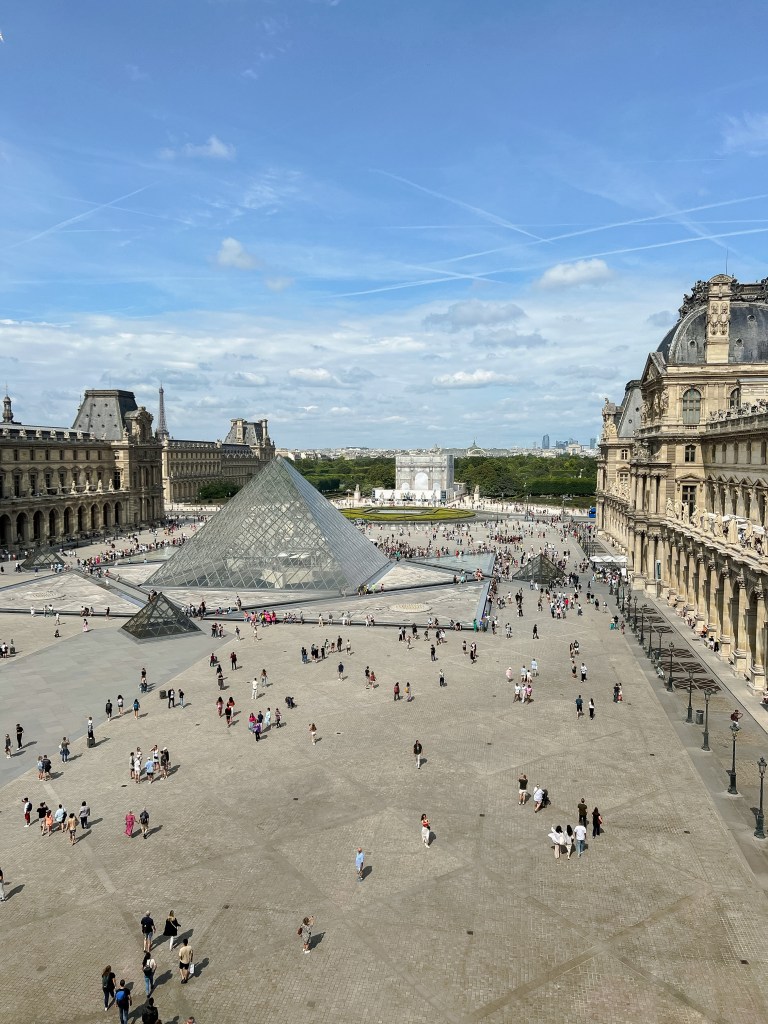
So I didn’t want Paris. I just wanted the soft, quiet feeling that I thought Paris would give me.
When the city rush in the heat of summer became unbearable, I would escape to les Bois (Bois de Vincennes and Bois de Boulogne) – two huge parks outside of the main city area.
I started looking for these trips every evening after my part-time remote work. I would walk through the woods, listen to the sound of little creeks, sit with my kindle in silence and read. I couldn’t get enough of being in nature.
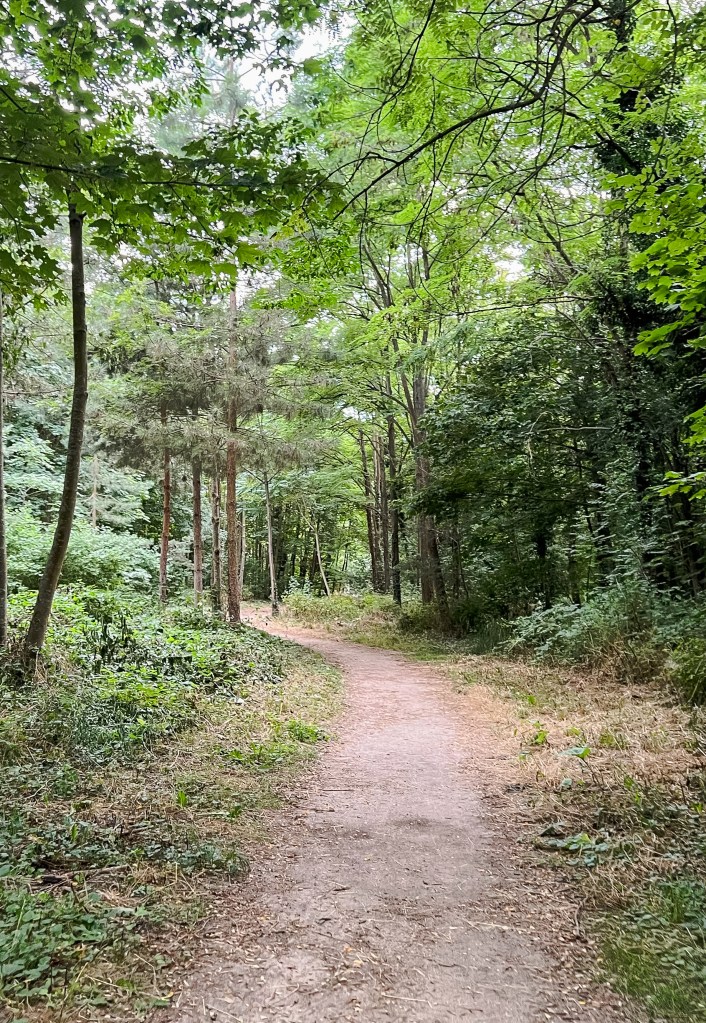
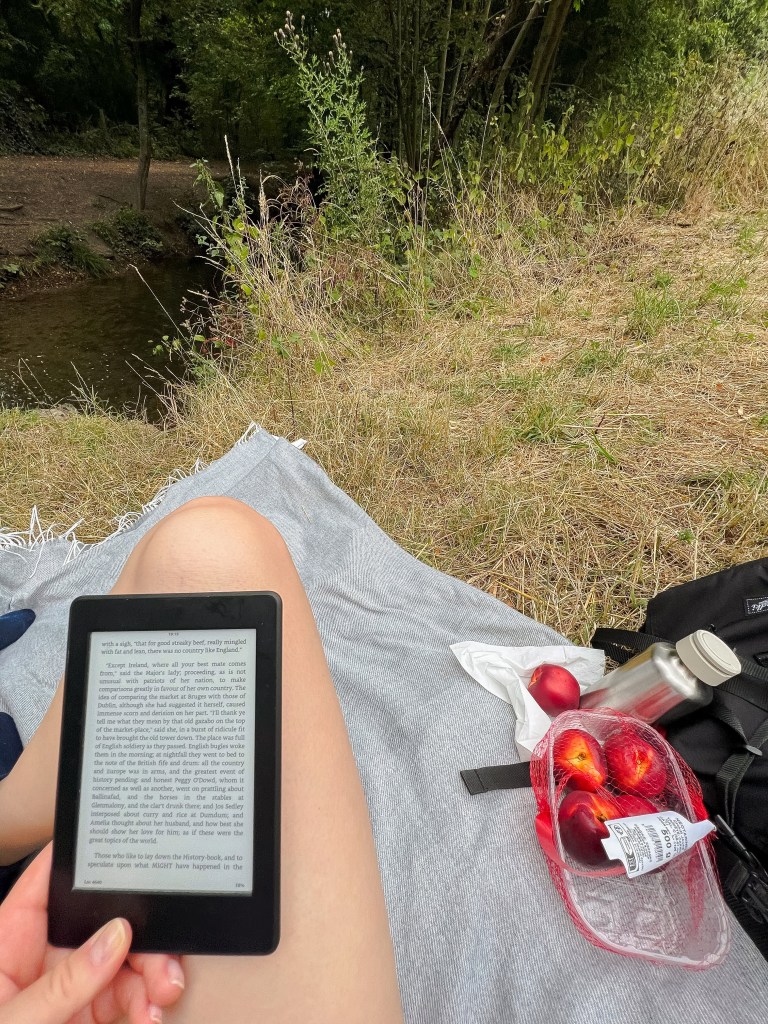
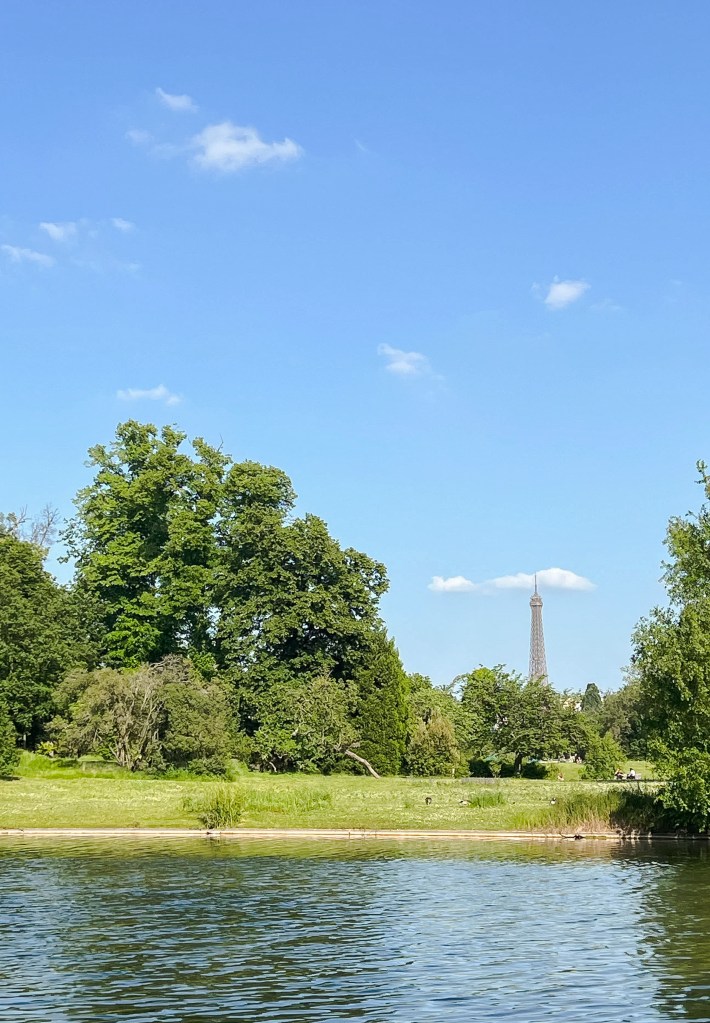

I started dreaming of days when my 3-month rent would be over and would go live in a calmer and more peaceful place.
The Change
2 weeks before I was supposed to leave and fly to Georgia, I went to Versailles.
The enormous luxurious palace (crowded with tourists) didn’t leave a big impression on me.
What really struck me was the estate of Trianon – a remote area that Marie Antoinette away from the huge palace with a small and much simple manor, quiet gardens, country houses, and farm animals.
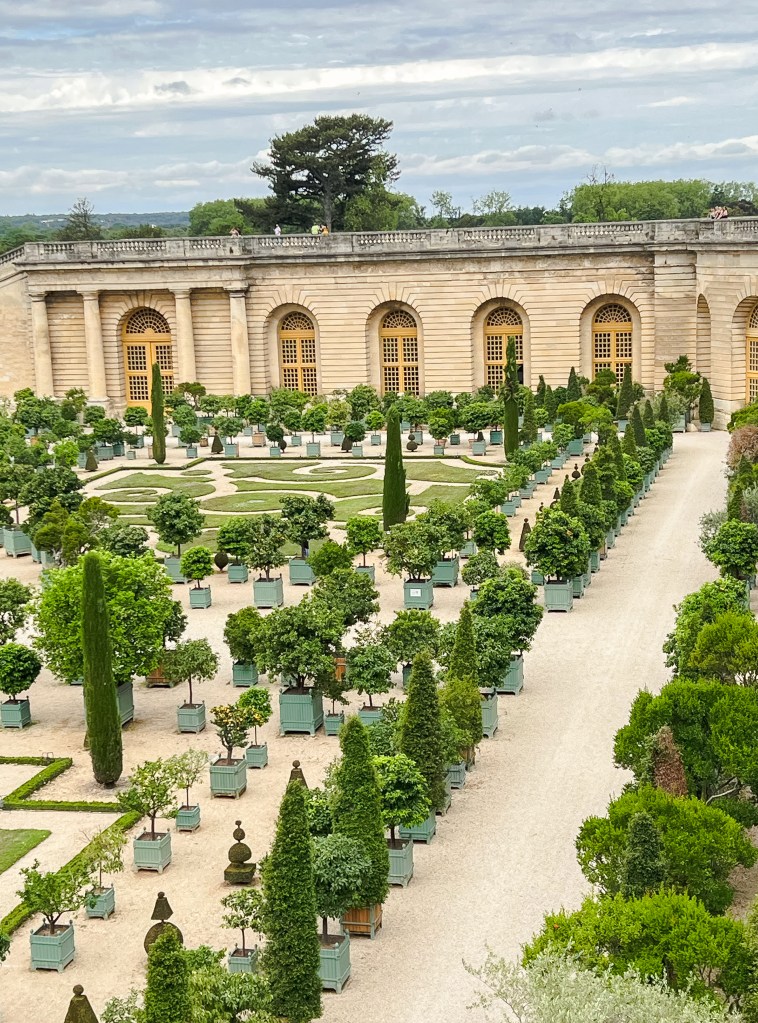
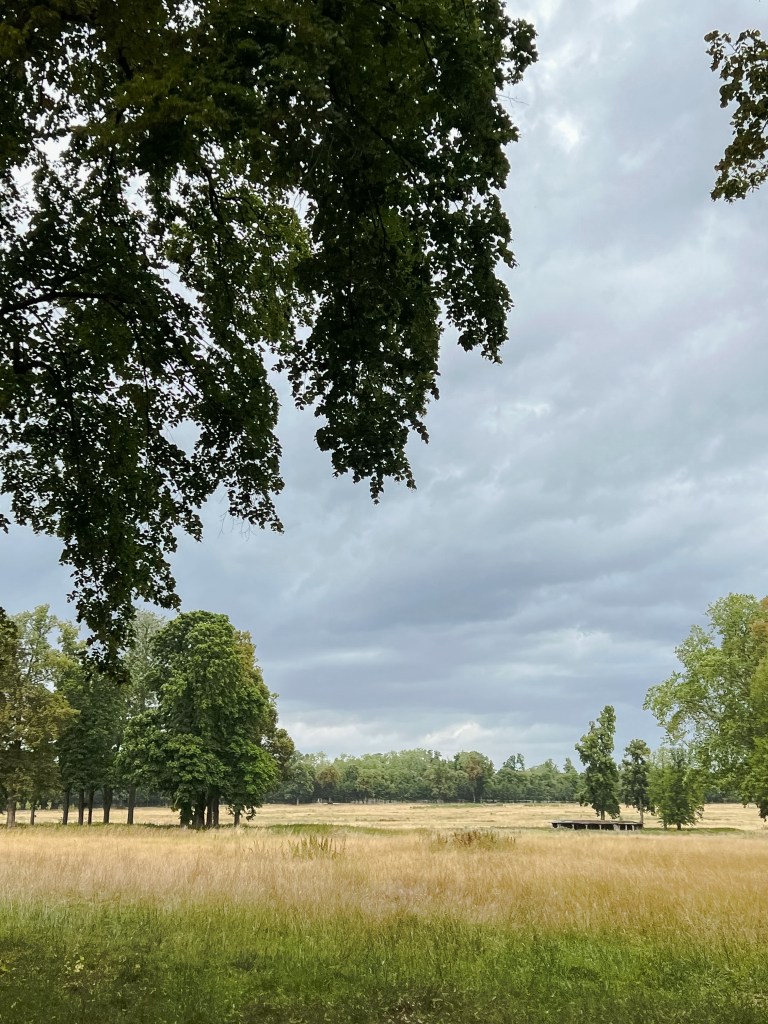
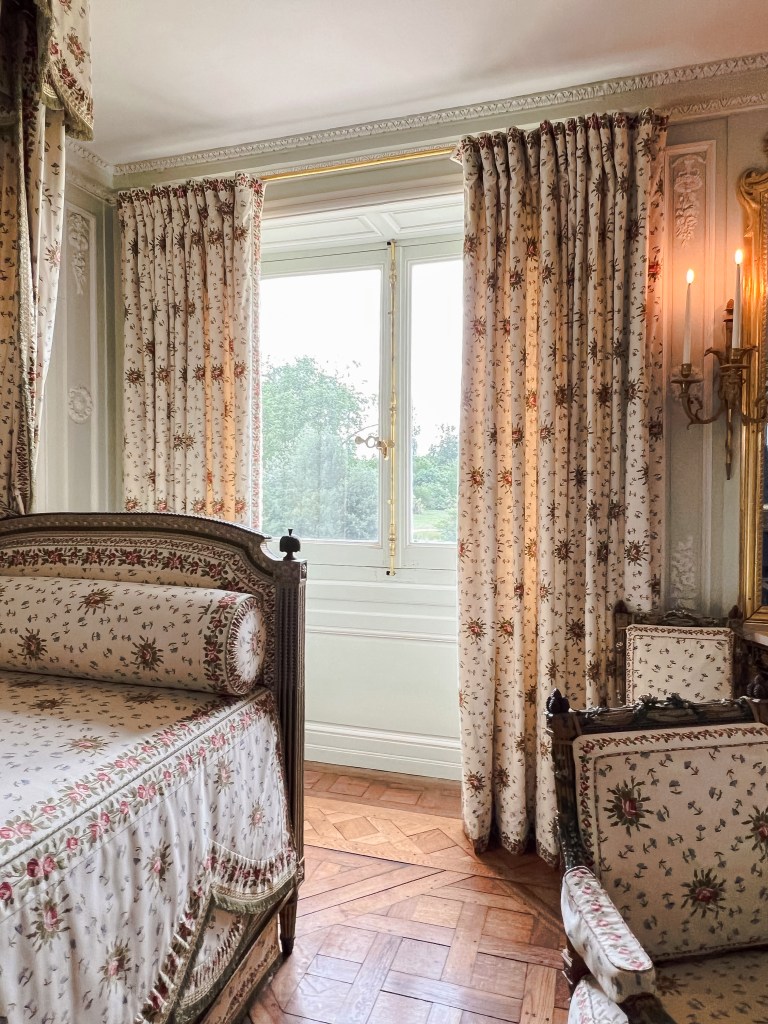

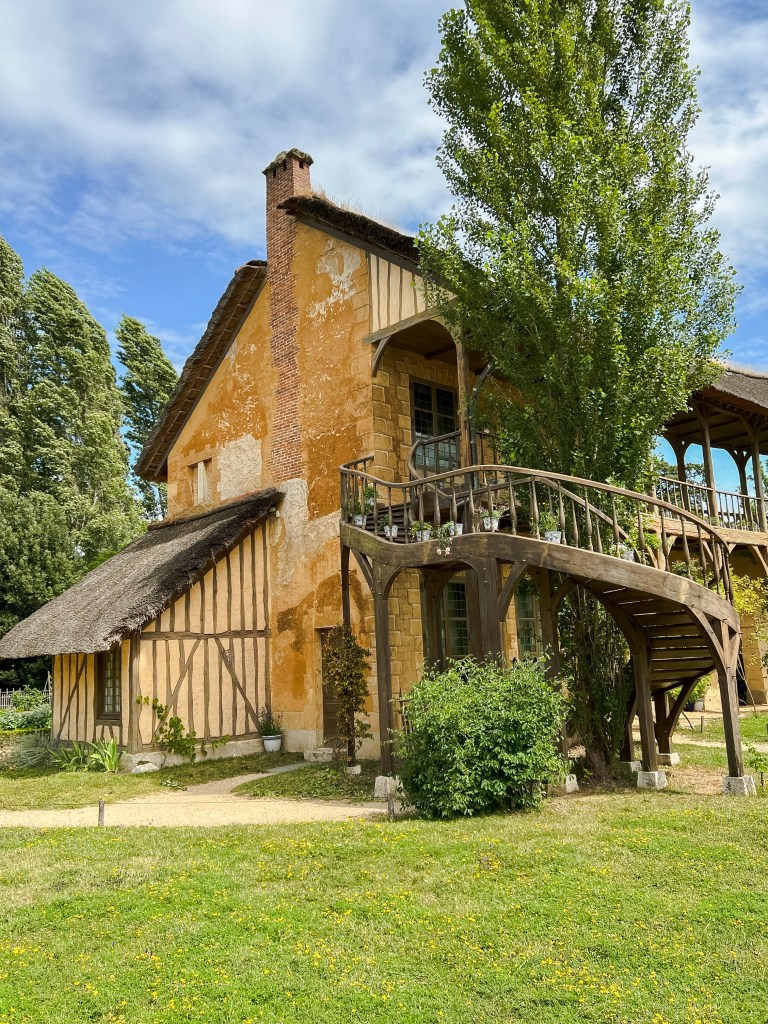
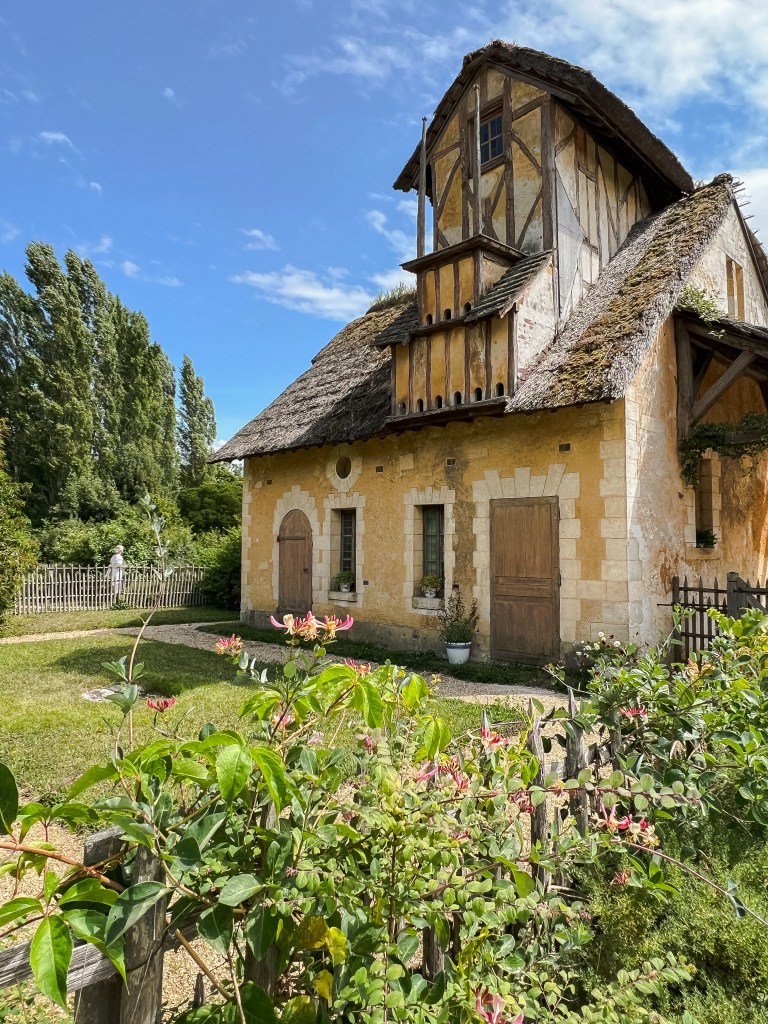
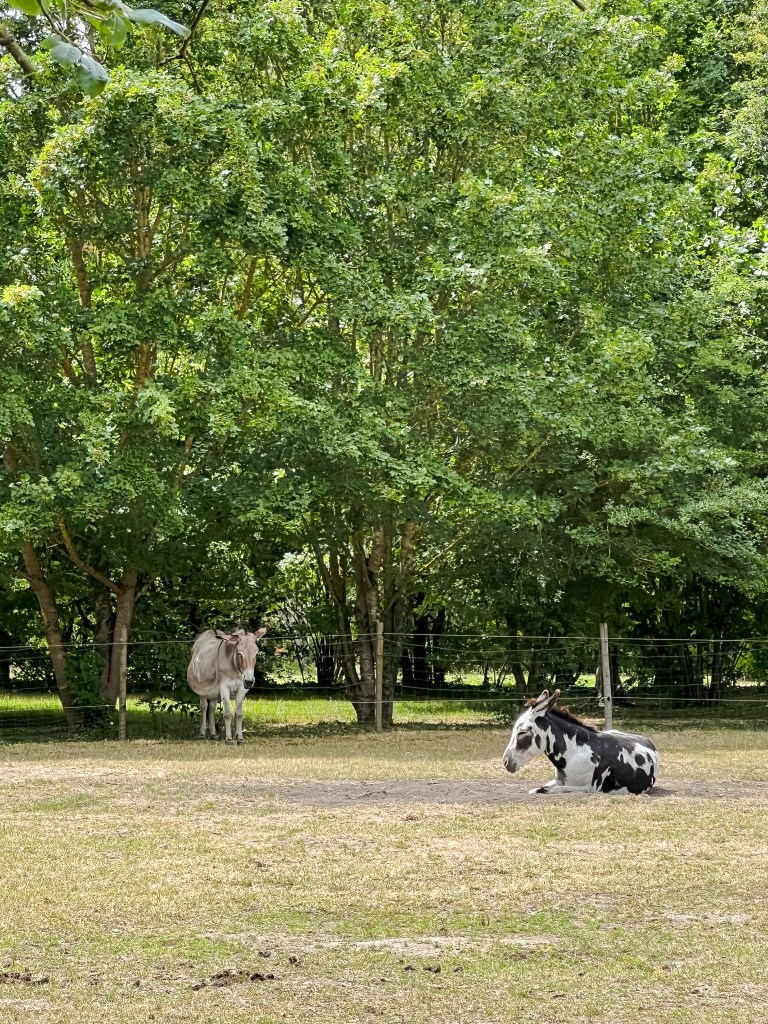
It was quiet, clean, with only grass, trees, bushes, ponds, and animals – pigs, goats, donkeys, horses.
I had a thought: When I’m old and I have lots of money, I will live in a place like this, have animals and lead a quiet simple life.
I guess we just all crave something calm, and peaceful: regardless whether 21st century IT professionals living in city rush, or 18th century queens living in luxurious palaces.
Because living in a stressful, noisy, overloaded environment simply doesn’t work.
What’s Wrong About Living in a City
1. Air that is just nasty
Car fumes. Cigarette smoke. Industrial emissions. And a simple lack of anything green.
When I go to the city, I feel how nasty the air is. Especially in the heat of summer where all that toxic stuff is hanging over the city like steam trapped under a pot lid.
And we have no choice but to breathe this in.
I lived in Paris from May until end of July, and it I must say – it WAS hot, and the city felt suffocating. Being in southern Batumi in the heat of summer is even a worse torture to my nose and my lungs.
When we’re surrounded by 99% concrete, and there is only 1% of trees, bushes, and grass, where do you even go to get a breath of fresh air?
Breathing in all that trash affects the skin, inner organs, mental health. And it’s terrifying to think how many illnesses are caused and how many lives are destroyed because of city air.
And what really bugs me is how much people are willing to pay (in money) to live in cities… and inhale garbage into their lungs 24/7.
2. Food with hidden toxins
I’m not even talking about processed food and how they bad it is – we all know this.
Let’s talk about what is considered as healthy – simple unprocessed ingredients without any additives.
Take oats for example. Do you know who grew the gains, and where? And what pesticides, fertilisers, and what not they sprayed on their fields?
Or what artificial fertilisers were used to grow red plump tomatoes that you buy at the supermarket (to help farmers maximise their harvest and thus maximise their profits)?
We kind of suspect something might be off. But the truth is so uncomfortable that we prefer to put our head in the sand.
We buy and eat foods that were grown in a way that hurts us and our planet.
Food producers care about making money – they don’t care about our health, or the health of our planet or the soil that they will leave behind.
Unless we want to spend tons of money on food labeled as “organic”, we let the companies take advantage of us – selling us toxins disguised as “healthy” food.
3. Noise that cannot be escaped
When I lived in Istanbul for a month during my digital nomad journey, I rented an apartment on an 18th floor in a residential neighbourhood – really far from the city centre.
The endless car sounds of the street were SO LOUD, I would wake up in the middle of the night during the first couple of nights (until I got used to that).
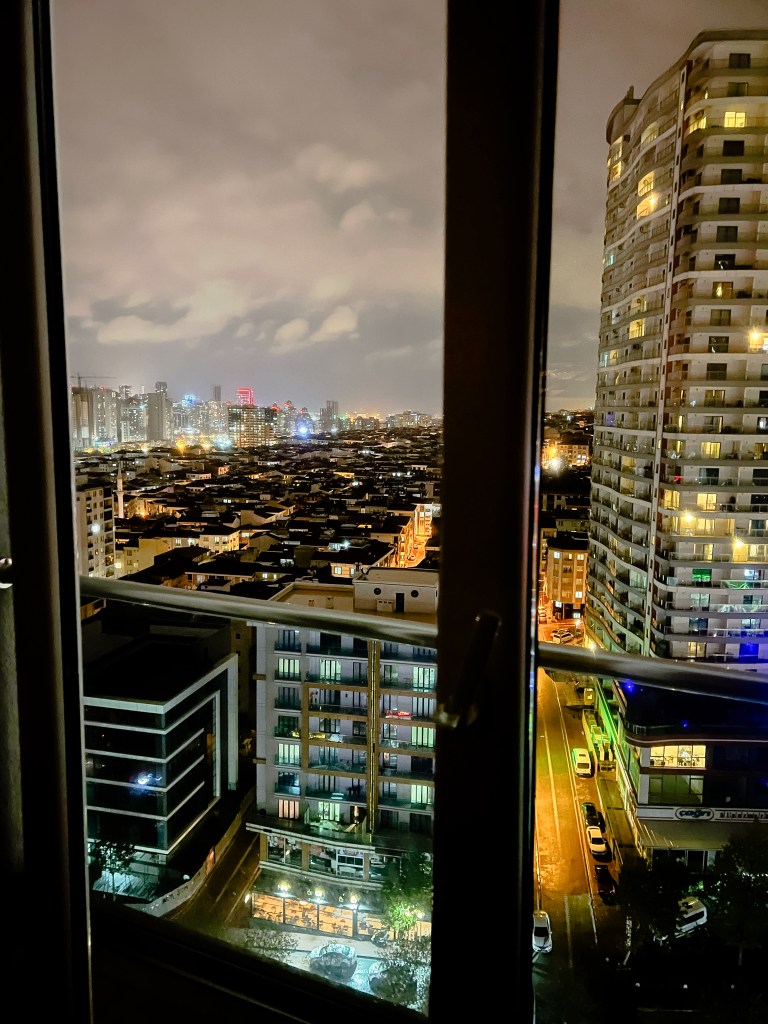
Think about how disturbing these sounds were for my nervous system that they even robbed me of my sleep.
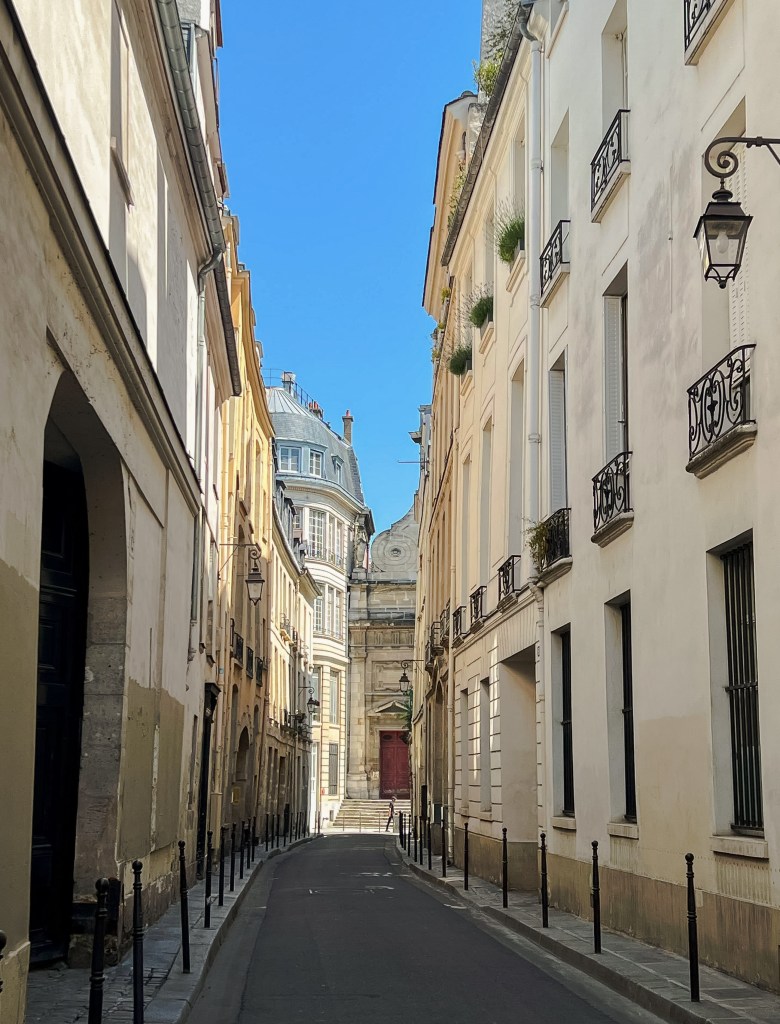
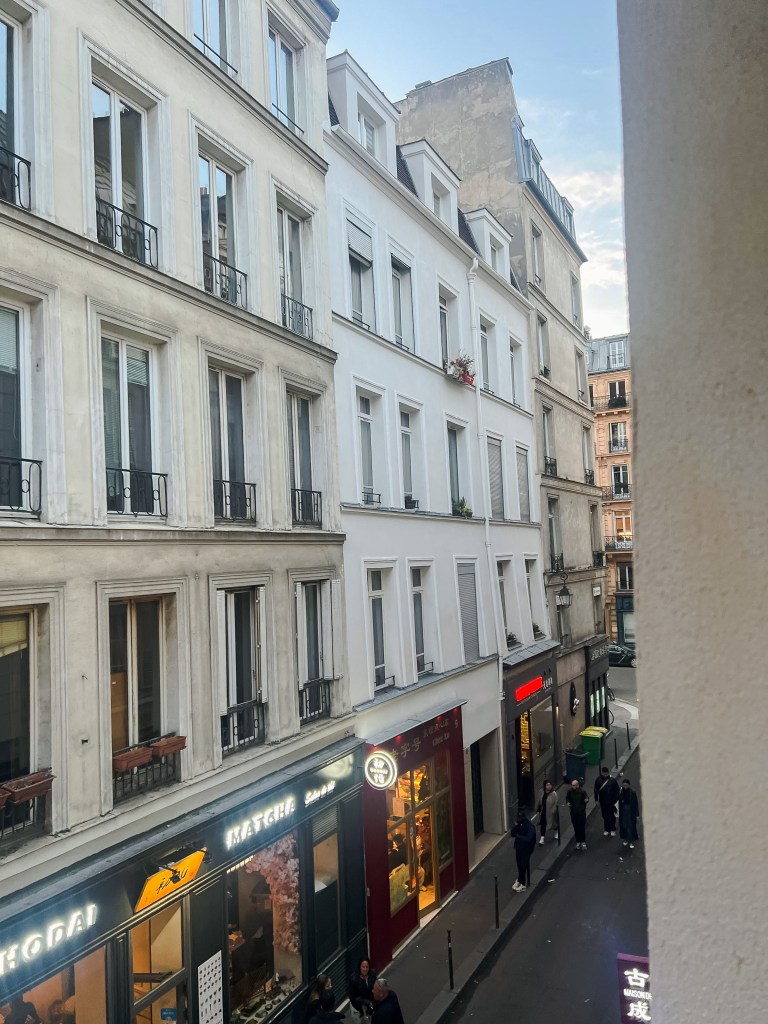
When in Paris, I lived in a much smaller one-lane street on the third floor of an 18th century building. It wasn’t any better though with a continuous chatter next to the cafes below. Day and night. I could not fall asleep unless I had ocean sounds in my noise cancelling earbuds.
Both in my Istanbul and Paris apartments, there was no escape from noise. As if somebody was gripping me and hammering on my head, and there was no way to stop that torture.
I definitely have a noise sensitivity, and it makes life quite challenging. But even for those who don’t seem to notice it, the never ending buzz of the city does leave its mark.
Ancient people were not used to a constant roaring of cars. Or a relentless chatter of the nightlife.
Cars, people, sirens – all this is another kind of pollution, it affects our mental health, and creates stress that harms our physical health too.
Sure, people who are used to city life don’t get bothered by the noise. But even if they seem to be adapted, they are still paying the price.
4. Overstimulation that is wearing us down
Cars. People talking, laughing, yelling. Siren sounds. Shops signs. Restaurants. Tourists. Office buildings. Billboards screaming at you: Buy our stuff, you need it!
Being constantly bombarded by these stimuli, we are so accustomed to them that we crave overstimulation also at home – cluttering it with stuff we don’t need, binge watching TV shows, or wasting after-work hours mindlessly scrolling on TikTok. All this in addition to the tasks, conversations, and information we need to go through every day at work.
Living like this has become a norm, but our nervous system is not meant to deal with this sensory overload on a constant basis.
We have no rest from it – which leads to stress, anxiety, irritability, and emotional tension – and at some point it starts hurting us not just mentally, but physically too.
5. Lack of nature that makes us feel disconnected and lost
Seems like when people first started creating cities, they aimed at suppressing and pushing out the nature to maximise the space for efficiency. And cities are an efficient way to fit in bazillions of people.
Instead of woods, we have residential buildings with people living on top of each other.
Instead of creeks – everything is sealed with concrete.
Instead of fields with flowers – concrete towers that don’t even let us see the skies above us.
Instead of birds singing in the morning – roaring of cars and trains carrying people to work.
Instead of freshness of grass – nasty pavements with garbage, spit marks, and dog urine.
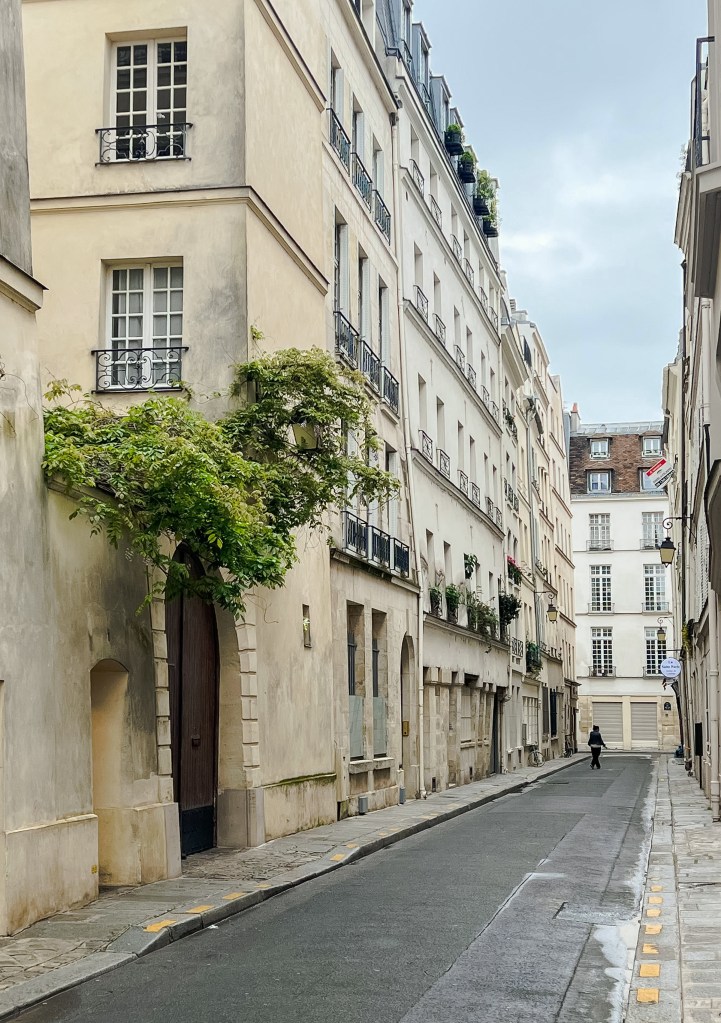
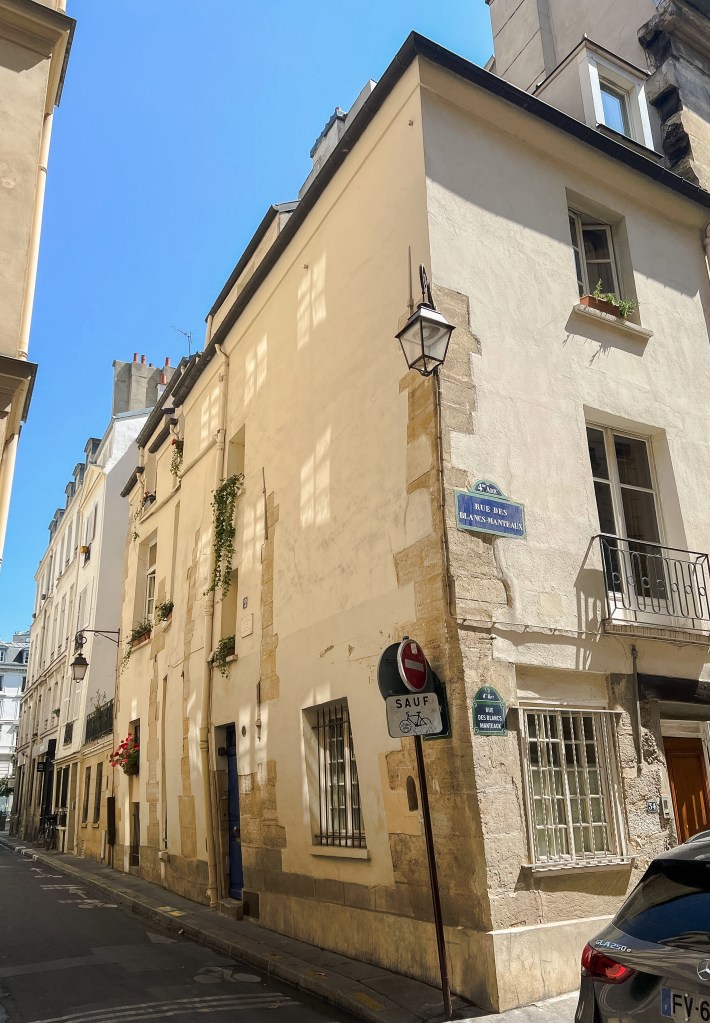
In the older part of Paris where I lived (Le Marais), dogs don’t have much choice but to urinate on concrete. Because outside – everything is concrete. The pavement is covered with urine stains, and in the heat of summer the smell is everywhere. Ugh.
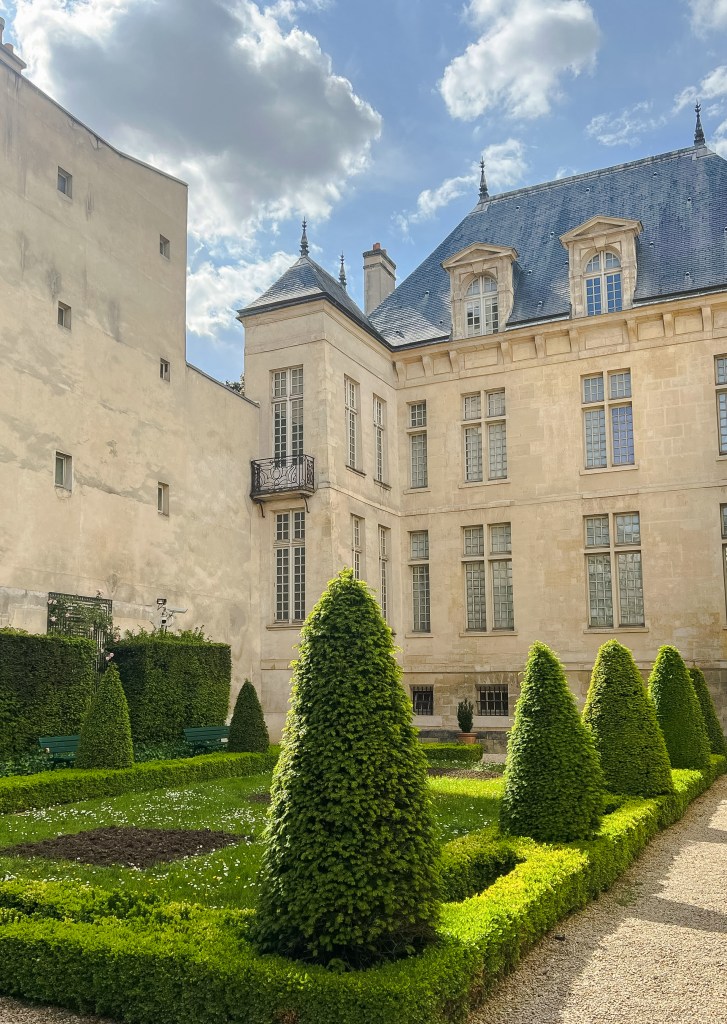
Being surrounded by everything artificial, we are thrown out of balance. It’s just not natural for us to live without nature, and without its healing power.
6. Cost of living that robs us of our freedom
The closer to infrastructure and convenience, the more price there is to pay.
The bigger and more popular the city, the more expensive it is to live there.
A square meter in Paris costed at that time (2022) on average 10.000 EUR. Ten thousand!
I lived in a tiny apartment, around 18 sq. m. and it costed me $1600 a month – with a long-term rent via Airbnb.
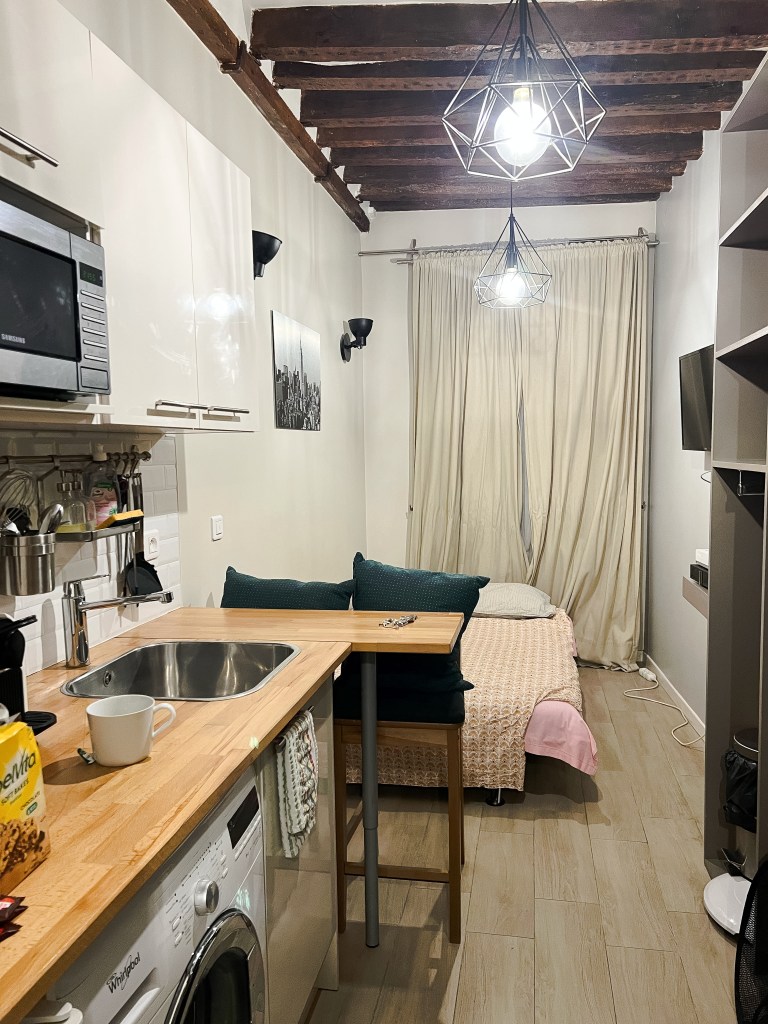
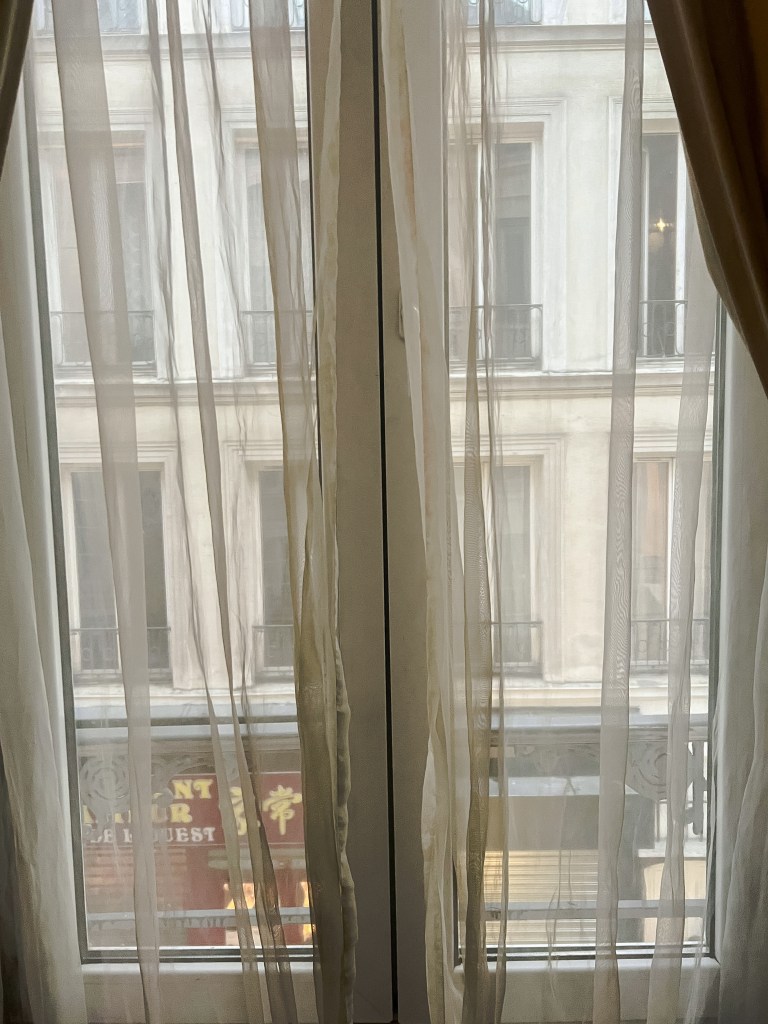
It was the tiniest and the most expensive apartment I’d ever lived in. The price terrified me, but I really wanted to be there, so I made the sacrifice for 3 months.
Imagine how much more sacrifice people have to make to stay in a city for years, or decades, or their whole life.
People have to work more, stress more, some get into debt, sell their freedom and peace to live in a concrete box, surrounded by noise and exhaust fumes, slowly deteriorating their bodies and minds.
7. Apartments that are not a natural way to live
Most of city people live on top of each other and under each other in concrete boxes, occupying very little land per person.
There is little privacy. You can hear what is happening in the neighbouring apartment. And there is too much restriction and it’s impossible to do whatever you want to do without feeling embarrassed when meeting neighbours. Singing to your favorite song on top of your voice or making loud voice? Not a very good idea. And who wants to feel restricted in practicing these joys of life?
Of course, It’s effective to put as many people into these boxes as possible – I mean, cost-effective for land owners and real estate developers. The more apartments you can fit on the piece of land that you have – the higher the revenue. Even if it means robbing people of outside space to walk. Which is exactly what is happening in the real estate development in Batumi.
Developers crave to build on every tiny peace of land that they get. To the point that there are no proper roads for cars, there is nowhere to park, or walk, and traffic jams are crazy, even though it’s a small city. There are no little green little parks (like in Paris for example). Only the Boulevard area by the sea which is, honestly, not enough.
It’s pretty sad that cities get built with real estate developers’ revenue in mind, not the peoples’ wellbeing.
8. Commuting that wastes time and resources
When I was in Paris, I went on dates and talked to guys on Tinder. I remember one who lived far in the suburbs and told me about how he had to commute to the city to work.
He lived in the suburbs on the west (quite far from the city), and would take a train every day to come to La Defence – the huge business hub just outside the main Paris area on the east.
We didn’t text much and I don’t even remember his name or how he looked on photos. But I vividly remember that dreadful picture.
I was that person living in the suburbs and commuting the university when I was in Minsk and in my late teens and early 20s. Then commuting to the office.
I remember wasting hours of my life to get ready, get to the bus stop, being stuck with strangers close to my body for almost an hour, then waiting for the subway, walking to the office, and repeating this again and again for years as a slave.
I’m dreading at the thought of having to live like that for years or even decades.
What is commuting? Wasted time. Polluted air. Crowded environment, regardless whether you’re on a train or in your car in the middle of a traffic jam. Money spent that could have been spent elsewhere.
The work itself takes our resources away from us, and commuting just increases this depletion.
Commuting means being tied to train schedules, or trying to navigate streets in the traffic jam, wasting precious hours of our life, wasting our planet’s resources and polluting the planet.
For people who need just a laptop and a phone to work, why must they be stuck in a city office?
9. Urge to spend that robs us of our wealth
There is SO MUCH opportunity to spend money when you go for a walk in a city.
You can grab a coffee. Get some groceries at a supermarket together with some snacks that you didn’t plan buying. Or maybe stop by a restaurant for a dinner instead of cooking at home.
There is a lot of real estate in cities. Not only residential, but commercial. And their main goal is to make a profit and make you hand your money over to them.
And they do everything in their power to make you buy – from using the right colours in their signboards, to creating fake sales – to trick you into thinking that you are getting a bargain and saving money with them (when in fact you’re not saving – you’re spending).
It takes enormous willpower and energy to stay away from these spending urges. And it’s exhausting to keep saying no.
So sometimes we just give in and do what those marketers want us to do – we hand over our hard-earned money to businesses, each time making a step back from building our own wealth.
And when these random purchases derail you from your financial goals, this is not okay, and this needs to stop.
And it’s so much easier to resist spending urges when you have no stimuli and no opportunity to spend – which is quite impossible living in a city.
10. Modern slavery that is normalised
One hot evening in July I was walking along Place de la Concorde. It was around 6 pm and I was enjoying my time after my part-time remote work.
It’s a beautiful place with luxurious buildings, Hôtel de Crillon on one side and Ritz a bit further at the Place Vendôme, filled with luxury jewelery stores.
There was a huge advertisement banner of a luxury watch brand on a building that was being renewed before the Olympics.
And little groups of tourists enjoying their holidays.
And I remember those middle aged men wearing white shirts, ties, and leather shoes, rushing most obviously from work. It was hot, and I cannot imagine wearing that kind of clothes in a heated city.
With stress and tension, and perhaps discontentment printed on their faces. Probably dreaming about their next trips on their PTO.
Maybe stressing over their bosses and their enormous mortgage for apartments in an overpriced city.
This image is forever engrained in my memory.
I didn’t find anything enviable, anything luxurious about those people.
I used to live on the outskirts of Minsk for some time, where an average salary is like $400 a month. Living in a grey, soviet-era neighbourhood, with identical grey apartment buildings.
I lived there for almost a year, and it felt depressing – because the people there looked like they were stuck in that place and that life forever. Without hope, without prospect.
Stuck. Hopeless. Unhappy.
I had the same feeling about those high-earners in premium clothes breathing “success”, walking in one of the most luxurious locations on Planet Earth.
11. Being dependent on corporations that gives them an opportunity to abuse us
It’s impossible to build a proper level of self-reliance when living in an city apartment.
When the grid fails and there is a power outage, they probably won’t put a power generator in an apartment, or run a propane stove when the induction stove cannot run. It would be tricky to even boil water for tea when power is out.
City people have to rely on corporations to feed them and keep them warm.
And they don’t have much choice over the food they are given. Of course they can buy everything organic, but it does come with a heavy price tag.
City people don’t keep a months or a year’s worth of pantry, because it’s so easy to stop by a supermarket several times a week. So they have to rely on those supermarkets operations to keep themselves fed.
Corporations dictate the life we are supposed to live, in order to keep their profits up.
Feeling sick? Buy medicines from big pharma corporations.
Cannot grow your own food? Buy what you are sold at supermarkets, without much choice.
Don’t have hobby projects to do after work? Try out a new restaurant.
Feeling blue? Do retail therapy.
How to afford all this? Chase money, go to work, regardless if it sucks joy out of you.
12. Outside areas that aren’t inviting for a walk
I like being outside and walking, especially after a day of work at my desk.
It was a challenge for me to do my 10k steps a day when I lived in Paris.
Because doing that meant that I had to walk alongside smoky, noisy, and polluted avenues. Or I would need to take a Metro for half an hour to get to Les Bois.
The old streets of Le Marais smell like urine (dogs that have no-where else to pee but on the pavement) and cigarette smoke.
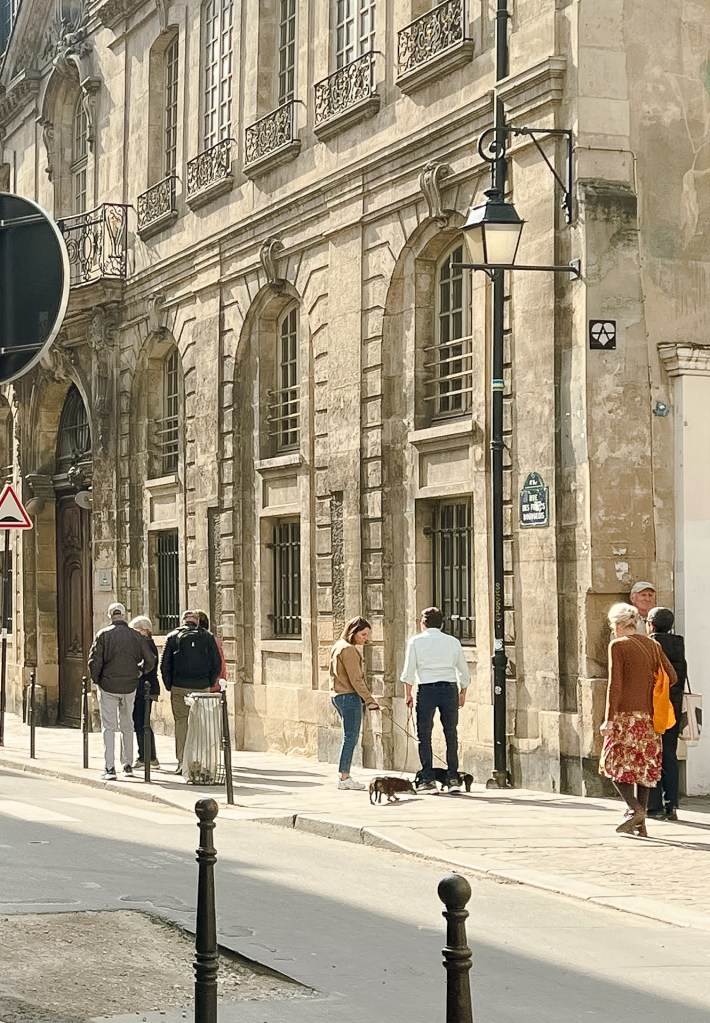
Yes, there are small cozy green squares throughout the city, but they are all crowded with people.
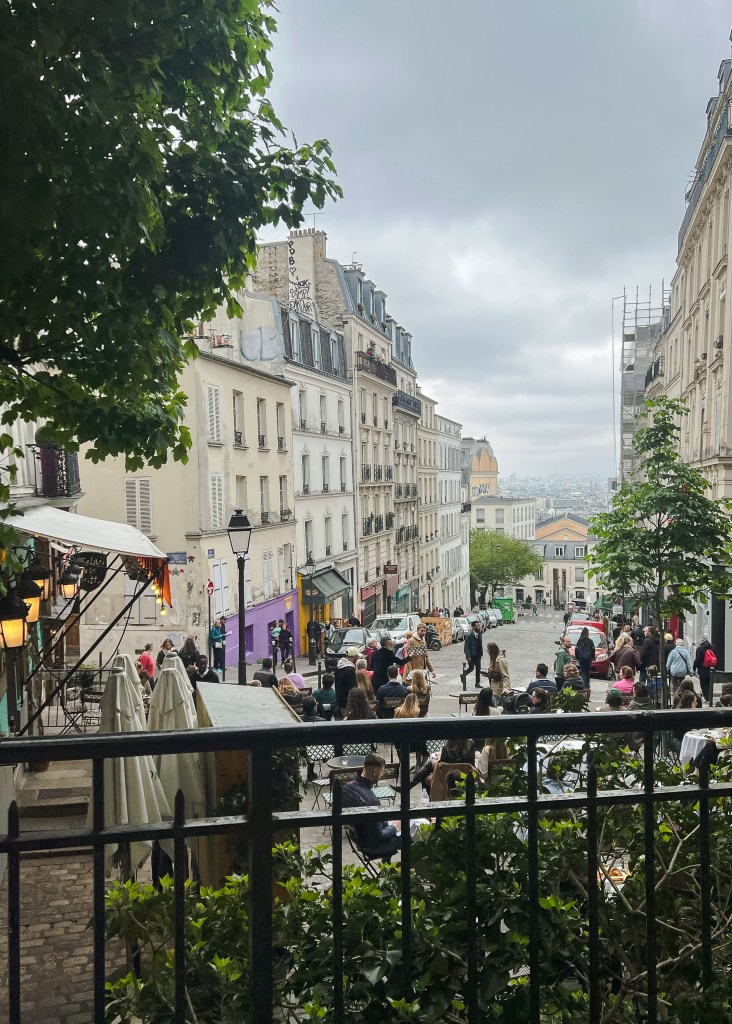
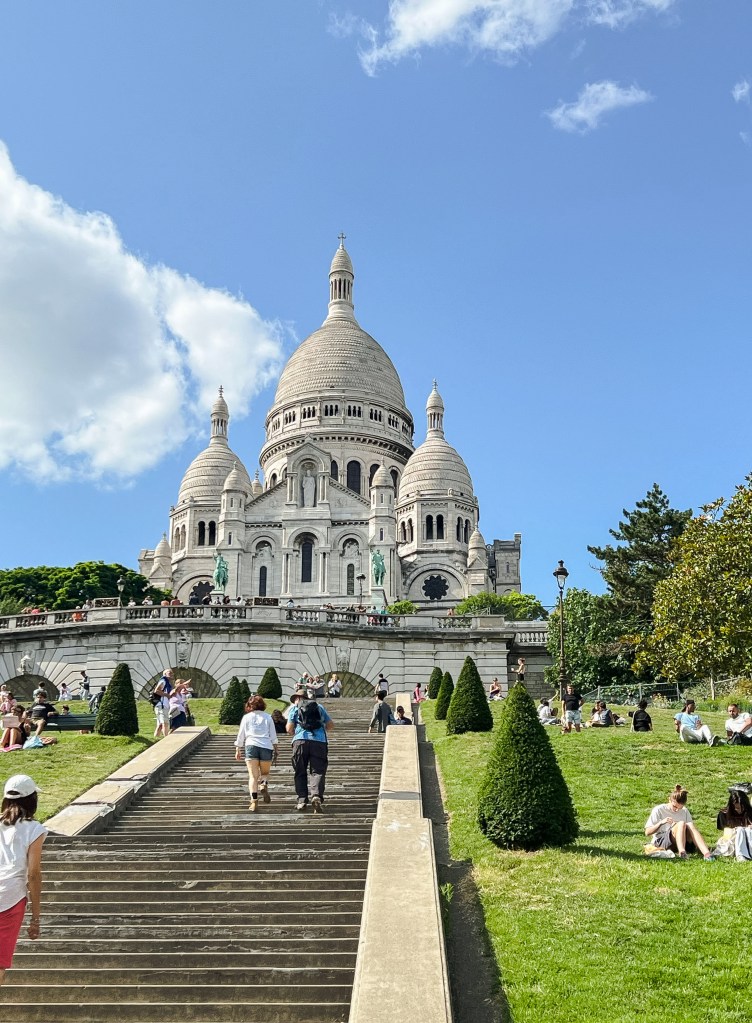
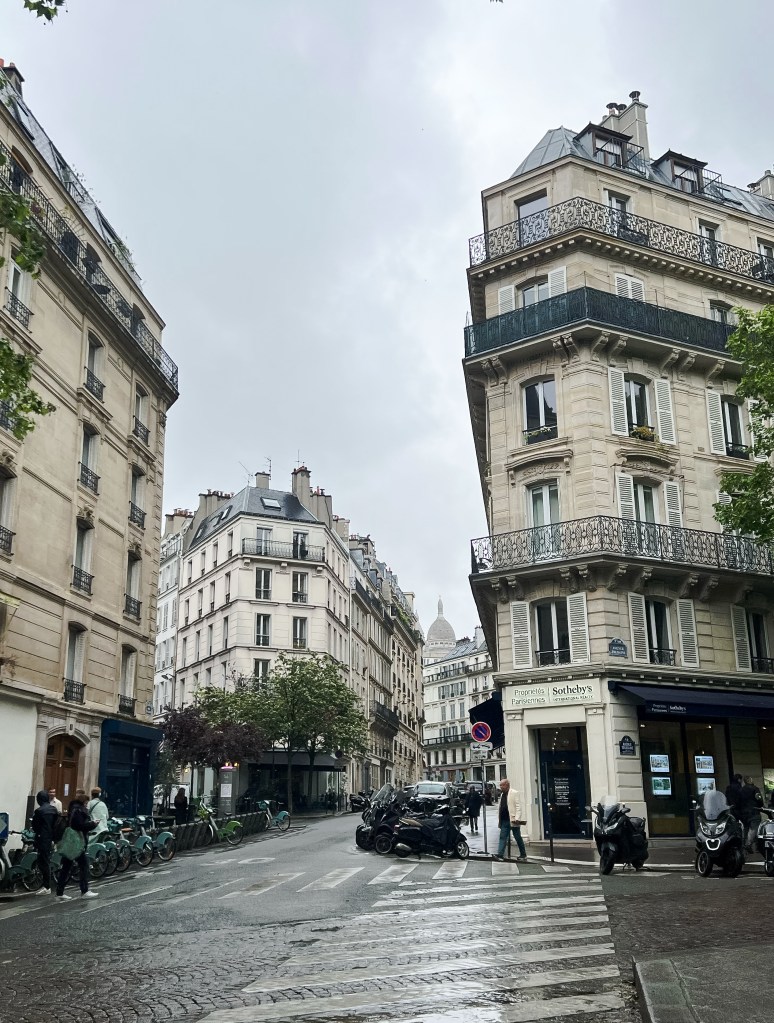
Bigger parks are designed beautifully, but they are full of people too.
In the huge Jardin du Luxembourg people lie on the grass so close to each other that I would never find that enjoyable.
13. Superficial values that can never bring fulfillment
Hustle. Then buy stuff you don’t need because there are so many stimuli to spend and so many business that want to get your money.
Go to work again. Spend again. Try to pay off mortgage for that city apartment. Rely on others to provide you with basic necessities.
Stress out because of work, because of all the obligations and spending.
Panic when power goes out (remember the recent outage in Spain and Portugal).
Get bombarded by advertisements telling you that you need to buy that expensive watch, car, or a jar of $100 serum to feel worthy. Buy stuff, hoping it would make the life a little bit better.
Chase something that will never bring fulfillment or happiness.
This doesn’t give a good feeling, does it? And that’s exactly how the majority of people live.
This has become the norm, and I’d rather not be that normal.
Why People Might Want to Live in Cities
There are reasons that might make city life more appealing than living in the countryside.
Personally, I could only think of three – not many, considering the long list above.
1. Job opportunities
It’s true for many professions that remote work is not possible.
Doctors, for example, need to physically be with their patients. But it doesn’t mean that they need to work in big cities. Working in a small town hospital, and maybe doing something on the side – like a blog – can provide enough money for a simple countryside life.
It might be a big transition. But finding work is possible – whether in a big city, a small town, or even a village.
2. Social circle
I’ve always struggled with making connections, for a number of reasons from my childhood.
But for most people, connection is vital. Having true friends and meeting up with people is as important as breathing clean air.
And when the majority of your friends remain in the city, or your social circle is there, it can feel like a good enough reason to stay.
But if you move away from the city, it doesn’t mean you will lose touch with your friends. In fact, you might be able to create extraordinary new experiences outside of the city, and connect with the same people but in a different location.
And living outside of the city doesn’t mean you can’t visit whenever you like.
3. Cultural life
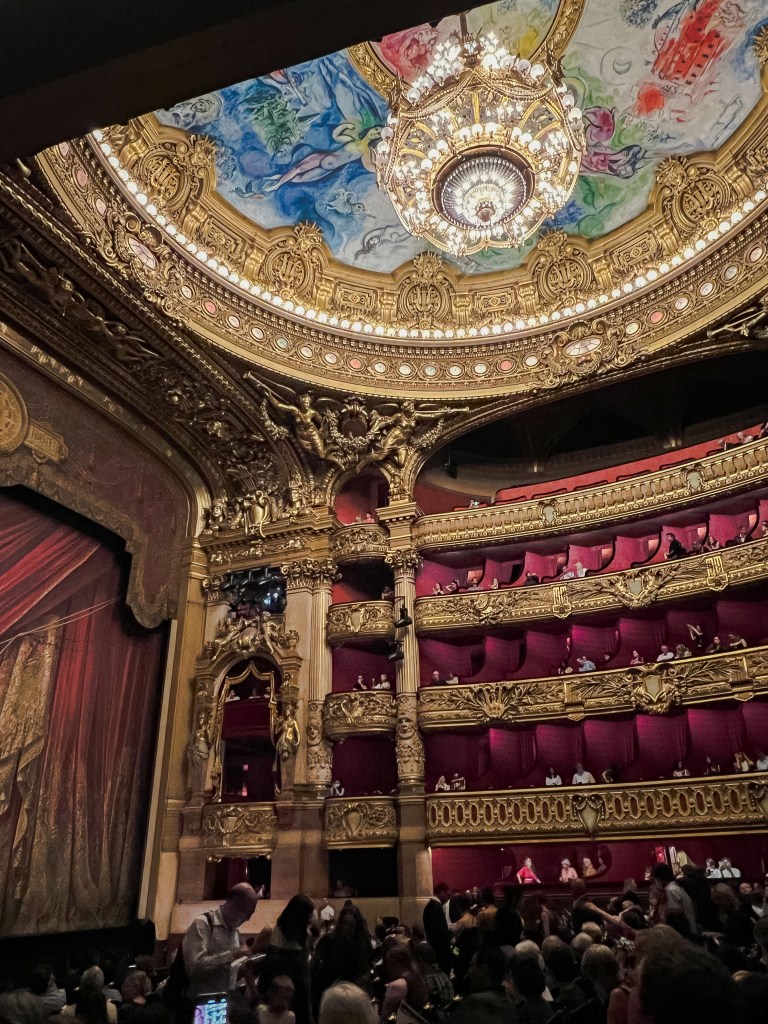
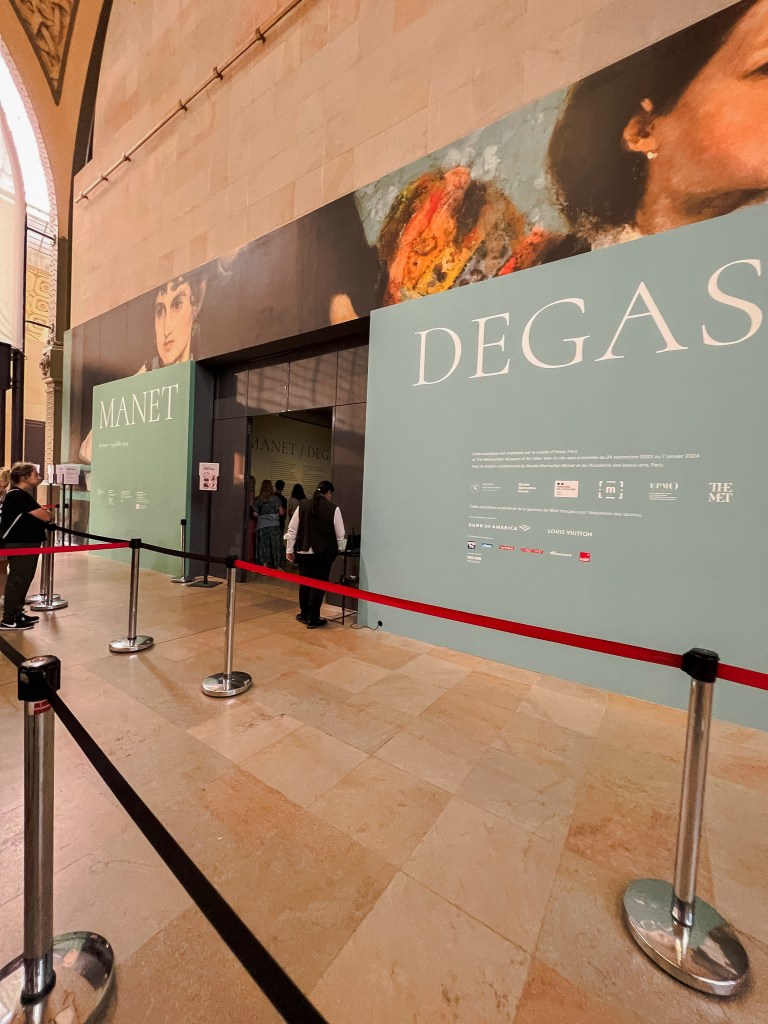
This is my personal one. I won’t go into why I love art museums, theatre, opera, ballets, and concerts so much – they always bring me joy.
And Paris especially is an awesome place for this. Different celebrities coming with their shows every week. World-class theatres. Museums with works of the world’s greatest artists. Cozy classical piano concerts in old churches.
Many of these places feel like sanctuaries to me. And that’s what I enjoyed most during my stay in Paris.
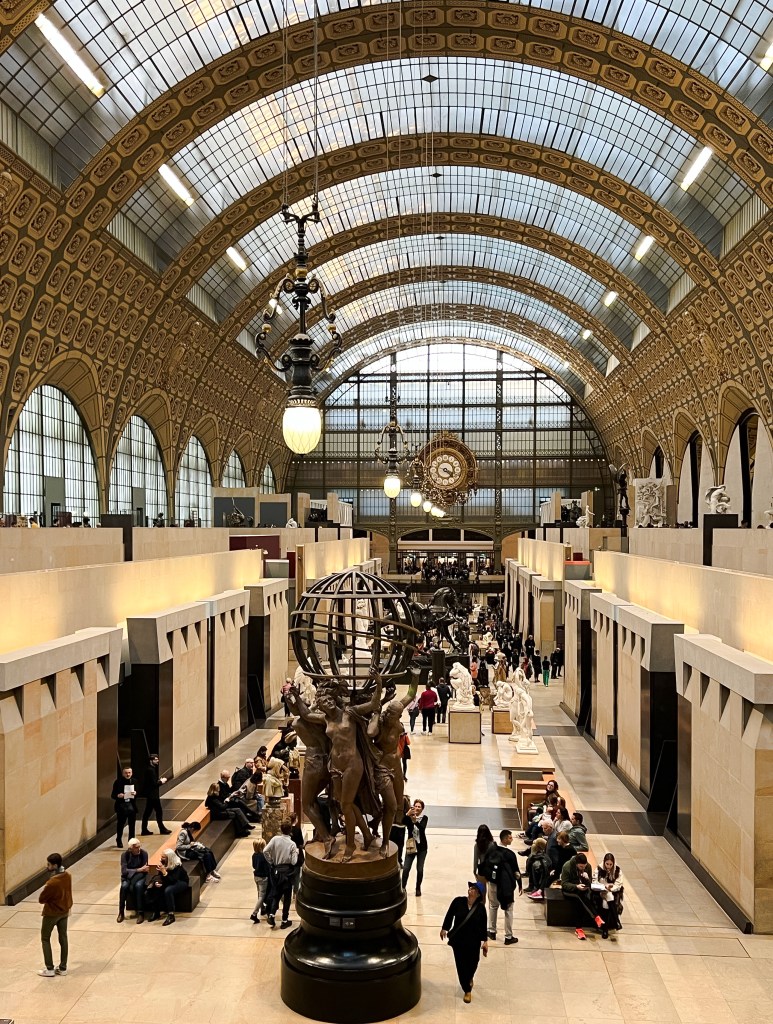
But I wouldn’t go to Musee d’Orsay every weekend. That wonderful place would become just bland and boring.
These things are better enjoyed in moderation – and for that, occasional city trips are enough, even if just as a tourist.

So none of these factors seems to me like good enough reasons to live in the city.
What I’ve written might sound harsh or even offensive to some people. Well, it’s clear I am not a city person.
I believe in a simpler, calmer, and healthier way to live. That means living in the countryside, in connection with nature and ourselves.
Why? Because the Homo sapiens brain cannot adapt to the fast-paced societal progress.
In the past couple of centuries we have made enormous leaps in science and technology. We have smartphones and can talk to people on the other side of the world as if they were next to us. There are robo vacuum cleaners and even self-driving cars!
But despite all this technological success, people still get stressed over their jobs, depressed by the lack of meaning in their lives, suffer from addiction and failing relationships. Perhaps even more than generations before us.
I’m sure the path to happiness and fulfilment is not in grinding forward, but in stepping back to a simpler, more natural way of living.
 Sunset Hush Home
Leave a comment